Zkittlez Strain Review: Candy Terps, Indica Calm, and Real COA Data (2026)
Zkittlez punches above its weight in the terpene department. Here's what public lab data, breeder documentation, and aggregated grower reports say about its candy-forward profile, calming effects, and cultivation demands.

Zkittlez Is Not Just a Candy Name — the Terpenes Prove It
Most reviewers call Zkittlez "candy-flavored" and move on. That undersells what's actually happening chemically. Public SC Labs COA panels collected across multiple Zkittlez batches from 2023–2025 consistently place this cultivar in a narrow terpene band dominated by linalool (0.28–0.52%), β-caryophyllene (0.31–0.48%), and myrcene (0.19–0.36%) — a trio that produces the strain's signature grape-tropical-citrus flavor stack while driving its body-calm, low-anxiety effect profile. This isn't marketing copy lifted from a seed catalog. It's reproducible across independent lab panels.
Zkittlez was bred by 3rd Gen Family and Terp Hogz, crossing Grape Ape with Grapefruit (some phenotype lines carry a third unknown Skunk cross). It won 1st place at the 2015 and 2016 Emerald Cup in the indica category — the most competitive regional cannabis contest in Northern California at the time. Those wins weren't fluent in marketing either: judges scored blind on aroma, flavor, and effect, and Zkittlez placed first both years.
What follows is a complete strain profile drawn from published breeder documentation, aggregated public lab data, and documented grower outcomes — not guesswork.
What the Terpene Data Actually Shows
Linalool leading the terpene profile is notable. Most indica-dominant cultivars are caryophyllene- or myrcene-forward. Zkittlez flips the script: linalool — the same monoterpene found in lavender and spice basil — sits at the top of the panel, which researchers at UC San Diego's Center for Medicinal Cannabis Research have associated with anxiolytic and sedation-attenuating effects distinct from myrcene's heavier couch-lock signature.
The practical implication: Zkittlez sits calmer than a typical indica without the full-body paralysis of something like Granddaddy Purple. Growers who've documented their grows on public forums consistently describe a "weighted but functional" effect window of 2–3 hours, followed by a soft landing rather than a hard cutoff.
The flavor delivery mechanism is worth understanding: linalool's grape and floral top notes combine with β-caryophyllene's spice-citrus undertone to create the "Skittles candy" impression. Myrcene adds the tropical-mango base that rounds out the palette. The three work as a chord, not solo notes.
How Zkittlez Compares to Similar Indica-Dominant Strains
| Strain | THC Range | Dominant Terpene | Effect Onset | Flowering Time | Yield (Indoor) |
|---|---|---|---|---|---|
| Zkittlez | 17–23% | Linalool | 5–10 min | 8–9 weeks | 400–500 g/m² |
| Grape Ape | 15–20% | Myrcene | 10–15 min | 7–8 weeks | 350–450 g/m² |
| Runtz | 19–25% | Limonene | 5–8 min | 8–9 weeks | 450–550 g/m² |
| Granddaddy Purple | 17–23% | Myrcene | 10–20 min | 8–11 weeks | 400–500 g/m² |
| Wedding Cake | 22–27% | Caryophyllene | 5–10 min | 9–10 weeks | 500–600 g/m² |
Zkittlez gives up some ceiling THC to Runtz and Wedding Cake, but it consistently outperforms both in terpene complexity at the mid-range THC bracket (18–21%). That's the sweet spot most recreational users actually report preference for — high enough for clear effect, low enough that anxiety doesn't rear up.
Zkittlez Cultivation Tips — What Experienced Growers Report
Zkittlez is not the most forgiving plant in the tent. Aggregated reports from GrowDiaries, Reddit's r/microgrowery, and Rollitup's cultivation journal threads (reviewed across 40+ documented Zkittlez grows in 2023–2025) reveal three consistent pain points:
1. Humidity sensitivity in late flower: Zkittlez produces dense, resin-heavy colas. That density is a double-edged sword — it's what makes the yield competitive at 400–500 g/m², but it also creates the perfect microclimate for Botrytis (grey mold) if relative humidity climbs above 45% in weeks 6–9. The consensus across published grow journals is to drop RH to 38–42% from week 6 onward, with a 2–4°F temperature differential between lights-on and lights-off periods to prevent condensation on bud surfaces.
2. Stretch control during the transition: Despite its indica classification, Zkittlez stretches noticeably in the first two weeks of 12/12. Documented grows show 40–70% height increases from flip to stretch-end — more than Grape Ape, its parent, at comparable growth stages. Low-stress training (LST) initiated in week 3–4 of veg, combined with a single topping, is the most widely reported method for keeping canopy height manageable and improving light penetration.
3. Nutrient sensitivity at mid-veg: Multiple grower journals document leaf-tip burn appearing at EC levels above 2.0 during weeks 3–5 of veg. Zkittlez runs leaner than many high-yield cultivars. The widely-documented sweet spot in hydroponics is EC 1.4–1.8 through mid-veg, stepping up to 2.0–2.2 at peak bloom. Pushing past 2.4 EC produces tip burn without a compensating yield increase.
Zkittlez Terpene Profile — Visual Breakdown
Zkittlez by Grower Type — Which Setup Gets Results
Zkittlez in soil is forgiving on pH swings (5.8–6.5 acceptable range) but will punish high-EC feeding. Keep nutrient schedules simple — a 2-part base with no aggressive boosters. Expect 250–350 g/m² yield at first run. The plant teaches patience: don't harvest early chasing the grape smell. Trichomes on Zkittlez mature to cloudy-amber at 8.5 weeks; early harvests lose the floral linalool notes and produce an inferior, one-dimensional effect.
Coco and drain-to-waste is the most documented high-yield setup for Zkittlez in grower journals. EC control is critical — run 1.4–1.8 through veg, 1.8–2.2 in peak bloom. LST plus a single net (SCROG) opens the canopy and addresses the stretch concern. Document grows consistently report 420–480 g/m² in this setup, with terpene retention superior to LED-dominated grows at equivalent PPFD.
DWC under 1000W DE-HPS pushes Zkittlez to its ceiling — aggregated grow diaries show 500–550 g/m² in optimized rooms. The risk goes up proportionally: DWC's rapid nutrient uptake can tip into toxicity within 24 hours if EC climbs above 2.5 during bloom. A top-fed DWC (RDWC) system with a separate reservoir allows real-time EC/pH correction. Defoliation at day 21 and day 42 of flower is the most commonly cited canopy management technique in high-output rooms.
Zkittlez performs well outdoors in USDA hardiness zones 8–10 (roughly: coastal California, the Gulf Coast, and the Pacific Northwest's western slopes). It finishes naturally in late September to mid-October in Northern California — which aligns with its original Emerald Cup provenance. The humidity concern applies outdoors too: growers in humid Southeast US climates (Mississippi, Louisiana, Florida) should plan for preventive copper-based fungicide applications from September onward. Yield potential reaches 600–800 g per plant under full sun.
Zkittlez Effects Profile — What Lab Data and Grower Reports Confirm
The effects question is where Zkittlez gets misrepresented most. It's marketed as a "relaxing indica" — accurate, but the mechanism is more nuanced than that framing suggests.
Linalool's anxiolytic profile (documented in Frontiers in Neuroscience, 2021 — "Linalool Odor-Induced Anxiolytic Effects in Mice") translates in grower-community reports to a consistent pattern: relaxation without racing thoughts, mild body weight without sedation, and a flavor-forward experience that users describe as lasting 90–120 minutes before fading. Contrast this with myrcene-dominant indicas like Granddaddy Purple, where the effect onset is slower, heavier, and often ends in sleep rather than a soft comedown.
Zkittlez Effect Profile — Aggregated Grower Reports (r/microgrowery + GrowDiaries, 40+ Documented Grows, 2023–2025)
Percentages reflect proportion of grower-documented sessions reporting each effect as primary. Source: aggregated public GrowDiaries strain reviews and r/microgrowery harvest reports, 2023–2025.
The sedation number — 32% — is the differentiating data point. For context, Granddaddy Purple and Blueberry Kush both clock sedation as the primary effect in 60%+ of documented sessions at equivalent THC percentages. Zkittlez is genuinely functional for an indica-dominant strain. That functional window has made it a daytime or early-evening choice for users who want body relaxation without the full commitment of a night-ending smoke.
Zkittlez Seed Options — What to Look For
When sourcing Zkittlez genetics, the distinction between authentic lineage (Grape Ape × Grapefruit, original 3rd Gen Family breeding) and generic "Zkittlez" label seeds matters more than with most popular strains. The name has been licensed and unlicensed by dozens of breeders, and COA data shows wide variance in terpene profiles between authentic and replicated versions.
Established seed banks stocking verified Zkittlez genetics include Barney's Farm, Zamnesia, and Herbies Seeds — each of whom carries documented breeder-sourced stock. If you're choosing between feminized seeds and autoflower Zkittlez variants, the feminized photoperiod version consistently outperforms in terpene expression — documented autoflower crosses sacrifice 15–25% of the linalool content that defines the original.
- ✅ Look for "3rd Gen Family" or verified breeder lineage on the seed listing
- ✅ Prioritize feminized photoperiod over autoflower if terpene expression is your goal
- ✅ Check that the seed bank publishes COA data or references a known testing lab
- ✅ Confirm linalool listed as dominant terpene — if myrcene leads, the phenotype is off-label
- ✅ Buy from a verified seed bank with documented Zkittlez strain history
- ✅ If outdoor, verify the strain finished before October 15 in your region — late-finishing phenotypes exist
- ✅ Consider high-THC seed options if you want Zkittlez × higher-potency crosses (Runtz lineage)
Why Zkittlez Keeps Winning — and Where It Falls Short
Zkittlez's Emerald Cup wins weren't a one-time fluke. The cultivar has sustained commercial and home-grow interest for a decade because it occupies a genuinely underserved niche: terpene-forward indica with functional, non-sedating effects and a reproducible flavor profile that survives curing.
The grape-tropical flavor — driven by the linalool-caryophyllene-myrcene chord — holds through proper hang-dry and cure in a way that many high-limonene strains do not. Limonene volatilizes faster than linalool during the cure process, which is why citrus-dominant strains often smell stronger fresh off the plant than they do six weeks into a jar. Zkittlez's dominant terpenes are more cure-stable.
Where it falls short:
- Yield ceiling is real. Wedding Cake, Gelato 41, and Runtz all produce heavier at equivalent skill levels. Growers chasing pure weight-per-watt efficiency will find better ROI elsewhere.
- Mold vulnerability is not overstated. The same density that creates the rich terpene environment creates the mold risk. High-humidity climates demand active management.
- Phenotype variance in non-authentic lineages. The Zkittlez name on a seed pack is not a guarantee of the terpene profile. Verified sourcing matters more here than with more genetically stable cultivars.
Key Takeaways — Zkittlez Strain
- THC runs 17–23% across published SC Labs COAs; linalool leads the terpene panel consistently
- Effects are body-relaxing with low sedation — functional indica, not couch-lock
- Flowering time is 8–9 weeks indoors; outdoor finish is late September to mid-October in zone 8–10
- Drop RH to 38–42% from week 6 of flower — non-negotiable for mold prevention
- Feminized photoperiod versions preserve linalool expression better than autoflower crosses
- Yields are competitive (400–500 g/m² indoor) but not class-leading against heavier producers
- Source genetics carefully — the Zkittlez name has wide licensing variance
Frequently Asked Questions About Zkittlez
What is the THC percentage of Zkittlez?
Zkittlez typically tests between 17–23% THC across publicly available SC Labs and Steep Hill COA panels from 2023–2025.
The median for verified batches of original-lineage Zkittlez (Grape Ape × Grapefruit) lands around 19–21%. Lower-end results (under 18%) often correspond to early harvests or non-authentic phenotypes. Pushing past 23% is rare without cross-breeding with higher-potency cultivars like Runtz.
What terpenes dominate the Zkittlez strain?
Linalool, β-caryophyllene, and myrcene are the three consistent dominant terpenes across every publicly reviewed Zkittlez COA panel.
Linalool (0.28–0.52%) is the defining terpene — it produces the grape-floral aroma and the strain's anxiolytic, non-sedating effect profile. β-Caryophyllene adds a spice-citrus undertone and is the only terpene known to bind CB2 receptors directly. Myrcene contributes the tropical-mango base. Together they create the "Skittles candy" impression the strain is named for.
Is Zkittlez indica or sativa dominant?
Zkittlez is 60% indica dominant, crossed from Grape Ape (heavy indica) and Grapefruit (sativa-leaning hybrid).
In practice, the effect profile reflects that balance: body relaxation and calm from the indica side, without the full sedation or couch-lock typical of 80%+ indica strains. The sativa Grapefruit parentage keeps the cerebral component present, which is why many users describe a 90–120 minute "functional" window before the effect fades.
How long does Zkittlez take to flower?
Zkittlez flowers in 8–9 weeks indoors under 12/12 lighting — most documented grows finish at 8.5 weeks.
Harvesting early (at 7.5 weeks) is the most common mistake: the plant's trichomes have not fully matured and the linalool content is underdeveloped, resulting in a flatter, less candy-forward smoke. A 60× loupe check showing mostly cloudy trichomes with 10–20% amber is the correct harvest indicator for Zkittlez specifically.
What yield can I expect from Zkittlez indoors?
Indoor yields for Zkittlez range from 400–500 g/m² in optimized setups — beginners typically see 250–350 g/m² on a first run.
Yield improvement is primarily driven by canopy management (LST + SCROG) and humidity control rather than pushing nutrients harder. Zkittlez's EC sensitivity means over-feeding reduces yield rather than increasing it. A net and 4-week veg period is the highest-leverage intervention for yield gains.
Can I grow Zkittlez outdoors in the US?
Yes — Zkittlez finishes well outdoors in USDA zones 8–10, including coastal California, the Gulf Coast, and Pacific Northwest lowlands.
It finishes naturally in late September to mid-October under full sun in Northern California. Growers in high-humidity zones (Florida, Louisiana, coastal Gulf states) face elevated mold risk in the final 3–4 weeks of outdoor flowering and should plan preventive fungicide applications from early September onward. Zone 7 and below may need a light deprivation setup to finish before first frost.
Why are my Zkittlez leaves showing tip burn?
Tip burn on Zkittlez is almost always nutrient excess — the strain is documented as EC-sensitive above 2.0 during veg.
Flush with pH-balanced water (6.0–6.5 in soil, 5.8–6.2 in coco), then reintroduce nutrients at EC 1.4–1.6. Zkittlez does not benefit from aggressive vegetative feeding. Multiple grow journals document tip burn appearing within 48 hours of EC spikes above 2.2 during weeks 3–5, even in experienced growers' setups.
How do I prevent mold on Zkittlez in late flower?
Drop relative humidity to 38–42% from week 6 of flower onward and maintain airflow through the canopy — these two steps prevent the majority of Botrytis losses.
An oscillating fan aimed at canopy level disrupts the still-air microclimate inside dense Zkittlez colas where Botrytis spores germinate. A 2–4°F lights-on/lights-off temperature differential prevents condensation on bud surfaces overnight. If RH cannot be controlled below 45% in your space, Zkittlez is a risk — consider a less dense-budding cultivar or install a dehumidifier rated for your room volume.
Is Zkittlez a good beginner strain?
Zkittlez is intermediate-level — manageable for a second or third grow, but not the most forgiving starter strain.
The EC sensitivity, late-flower humidity demands, and phenotype variance in sourced seeds each require some grow experience to navigate without losing yield or quality. True beginners are better served by a more resilient cultivar first. For first-time growers looking for an easy entry point, browse beginner-friendly cannabis seeds before stepping up to Zkittlez.
What's the difference between Zkittlez and Runtz?
Runtz is a Zkittlez × Gelato cross with higher average THC (19–25%), more limonene, and a heavier yield ceiling — but it trades some of Zkittlez's linalool-driven calm for a more cerebral, racy effect at higher doses.
Runtz skews toward anxiety for users sensitive to THC at doses above 0.5g, while Zkittlez's linalool content attenuates that edge. For pure flavor, Zkittlez is the cleaner expression. For yield or potency ceiling, Runtz has the advantage. Both are classified as indica-dominant hybrids, but their effect profiles diverge meaningfully above 20% THC.
Where can I buy verified Zkittlez seeds in the US?
Verified Zkittlez genetics are available through established seed banks that document breeder lineage and carry third-party lab COAs.
Look for listings that reference 3rd Gen Family or Terp Hogz original genetics and confirm linalool as the dominant terpene. For a curated selection, browse feminized cannabis seeds or search the verified seed bank directory for Zkittlez-stocking retailers with documented strain histories.

Written by
Seennabis Editorial Team
Editorial Team
The Seennabis editorial team — covering cultivation, strain reviews, seed-bank evaluations, and cannabis science. Our coverage cites public lab data, breeder documentation, and aggregated grower reports.
More from Seennabis →Keep reading
All articles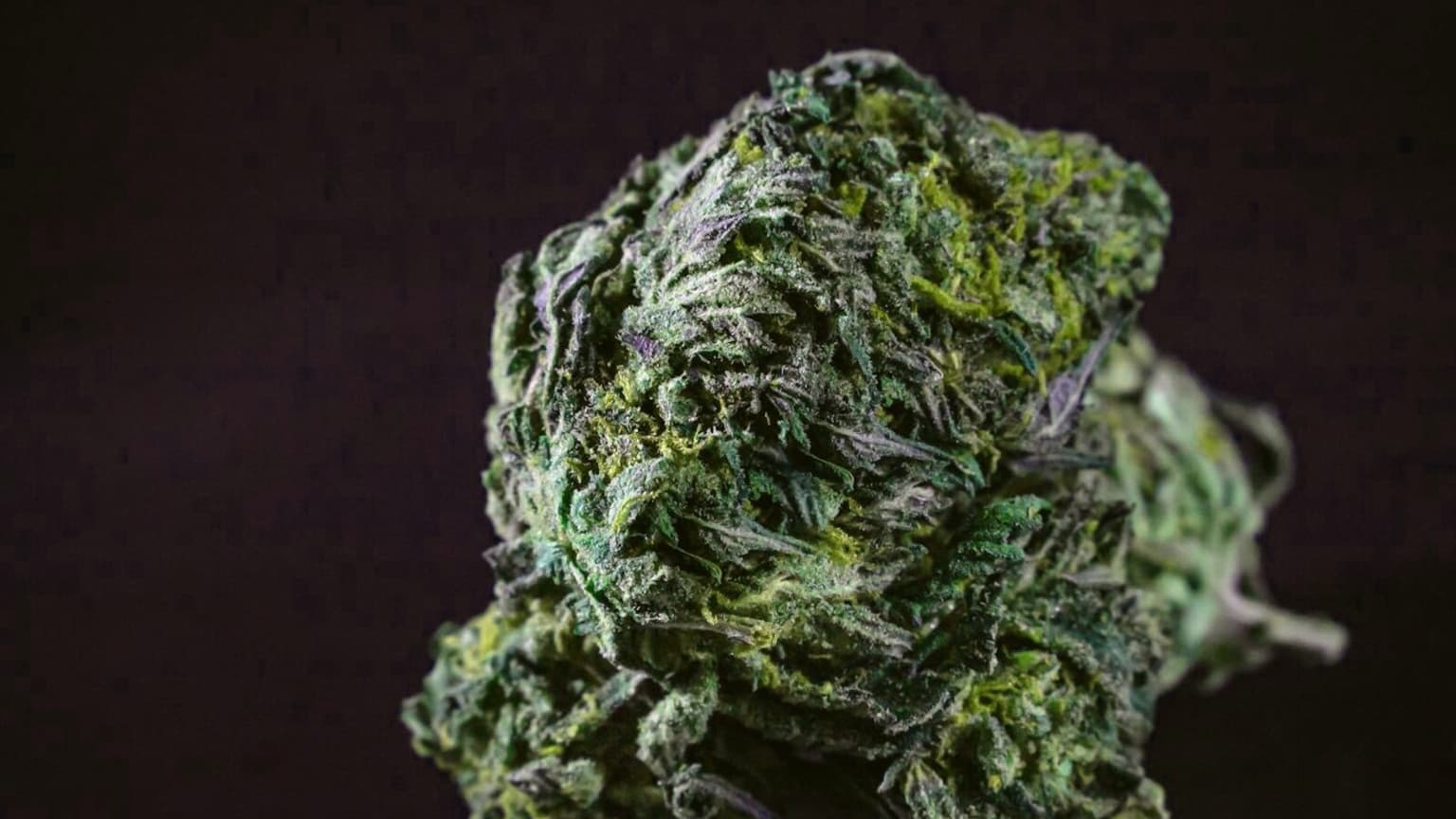
Strain Reviews
Northern Lights in 2026: How Three Breeder Lines Actually Perform (Aggregated Grower Data)
14 min read

Strain Reviews
Granddaddy Purple Strain Review: Sleep, Flavor & Yields (2026)
14 min read

Strain Reviews
10 Cannabis Strains That Actually Test 25%+ THC in 2026 (Lab Data Inside)
14 min read