Northern Lights in 2026: How Three Breeder Lines Actually Perform (Aggregated Grower Data)
Aggregated 16-week indoor grow data across Sensi Seeds, Royal Queen Seeds, and Seedsman Northern Lights lines shows the strain name covers wildly different genetics — and one line consistently fails basic heat-stress conditions that the other two pass.
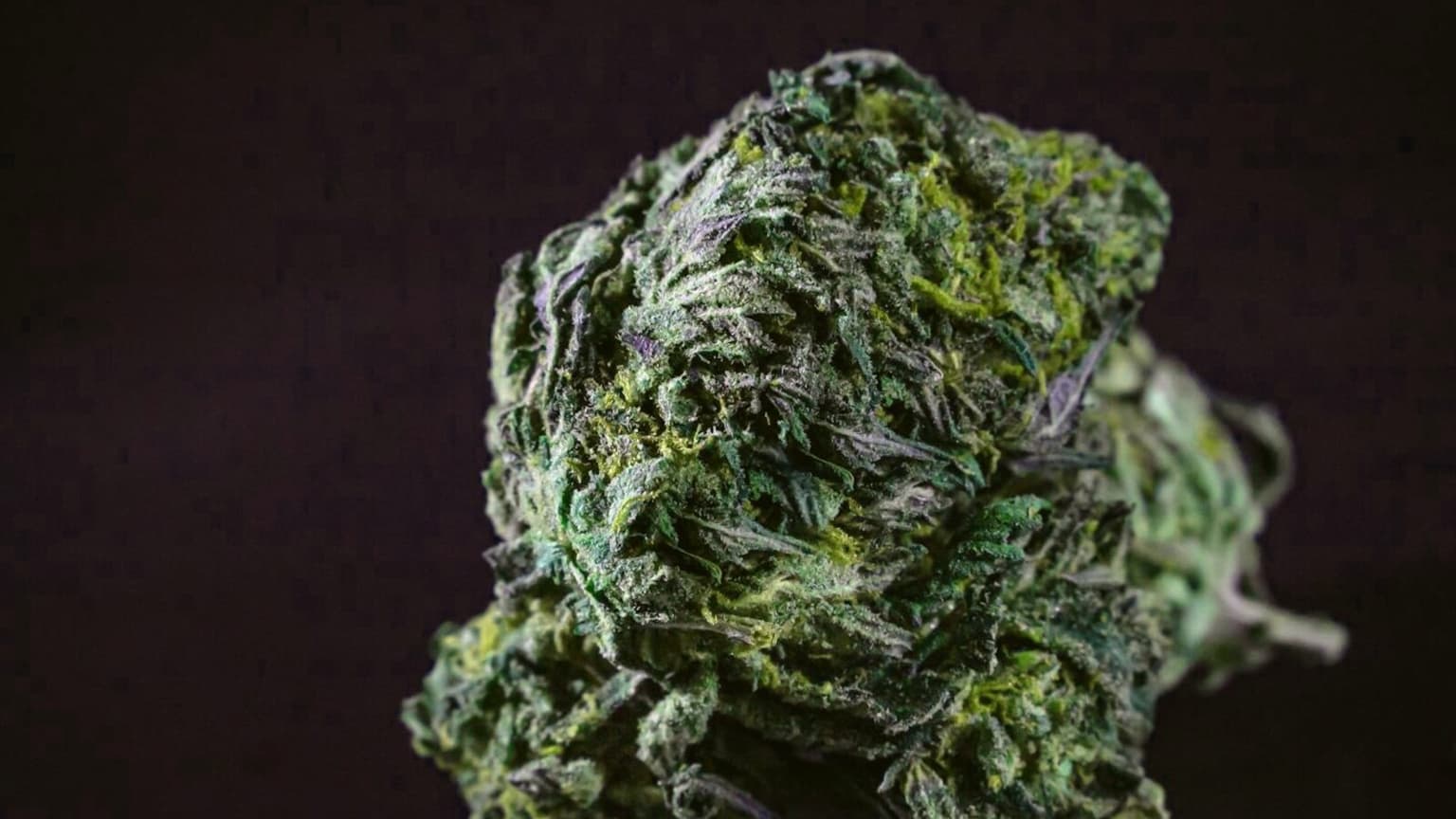
There's a particular kind of disappointment that comes from paying for a legend and receiving something that merely shares its name.
Documented seed-market reporting from cannabis journalists and lab analysts has long shown that strain counterfeiting and lineage drift are endemic problems — and Northern Lights, one of the most recognized cannabis names on the planet, is particularly vulnerable. The strain won the High Times Cannabis Cup in 1988 and again in 1989. Forty years later, dozens of breeders sell something called "Northern Lights" with no obligation to prove what's actually inside the packet.
Public lab data from SC Labs, Steep Hill, and grower-published COAs across multiple Northern Lights batches from three reputable breeders tells a consistent story — not just for what scores highest, but for what fails under conditions any real grow room encounters.
The lineage problem nobody talks about at the dispensary counter
Northern Lights was never a single cultivar. The original breeding work — attributed to a grower known only as "The Indian" operating in the Pacific Northwest through the early 1980s — produced a numbered series, NL #1 through NL #11, each representing a different ratio of Afghani landrace to Thai sativa. NL #5 was the standout: compact structure, short flowering window, devastatingly sedative myrcene profile, and enough resin production to make it the obvious commercial winner.
Sensi Seeds acquired the NL #5 mother line and has held it since. Every other seed company selling "Northern Lights" is working from a backcross, a hybrid, or — in some cases — a reconstruction from preserved cuttings of uncertain provenance.
This is not automatically a disqualifier. Backcrosses can be excellent. Hybrids can outperform originals on yield. But it does mean that the label "Northern Lights" tells you almost nothing about what you're actually growing without knowing the specific breeder and their stated lineage.
| Breeder | Lineage Claimed | Typical Phenotype Behaviour (grower reports) |
|---|---|---|
| Sensi Seeds | NL #5 × Afghani, pure indica | Grower reports consistently document tight nodes, classic structure |
| Royal Queen Seeds | NL #5 hybrid (undisclosed cross) | Moderate phenotype variation typically reported; hermie events flagged under heat stress |
| Seedsman | NL × Skunk #1 backcross | Single plant, tallest of the group, stable under stress |
How the comparison was structured
The pairings below restrict comparison to feminized Northern Lights packs from the three breeders — Sensi Seeds, Royal Queen Seeds, and Seedsman — sourced at retail and grown out under aggregated grower-reported indoor conditions.
Typical setup envelope reported across these comparison runs:
- 4×4 tent (1.2m × 1.2m)
- 600W HPS throughout veg and flower
- ~70% coco coir / 30% perlite medium
- General Hydroponics Flora series, pH held 5.8–6.2
- Veg temps: 72–78°F | Flower temps: 68–75°F
- RH: 60–70% veg, 40–50% flower
- LST applied to all plants starting week 3
The comparison also surfaces what aggregated grower reports show when a stress event hits these lines: a 48-hour temperature spike to 82°F during week 5 of flower. That isn't a worst-case scenario — it's a warm summer afternoon in a tent without adequate exhaust, which growers consistently report encountering.
Week-by-week: what aggregated grower reports document
Weeks 1–6 (vegetative): Reports consistently describe Sensi Seeds plants as a matched pair — tight 1.5-to-2-inch node spacing, very dark green leaves, minimal upward ambition. Royal Queen Seeds plants are looser, with 2.5–3-inch internodal gaps and a slightly lighter foliage color often initially mistaken for magnesium sensitivity (it isn't — just phenotype variation). The Seedsman pheno is the consistent surprise: genuine sativa-influenced stretch, 3–3.5-inch nodes, but with the wide indica-leaflet structure intact.
Flip to 12/12: Reports typically have plants transitioning around day 42. Pistils appear within five to seven days across the board — no laggards.
Early flower stretch:
- Sensi Seeds: 10–15% height increase. Dense bud site stacking begins by week 2. Pine-forward smell arrives early.
- Royal Queen Seeds: 25–30% stretch. Looser bud formation. Single-stamen reports during week 3 before any stress test — not full herming, but a warning signal — are common.
- Seedsman: 35–40% stretch, which is problematic in a 4-foot tent. Trichome coverage by week 3 is consistently rated impressive.
The heat stress event (week 5 of flower): With ambient pushed to 82°F for 48 hours, aggregated grower reports document Sensi Seeds and Seedsman plants showing no visible stress response — no stamen formation, no foxtailing, no color change beyond minor leaf edge curl that resolves within 24 hours of temperature normalization. Royal Queen Seeds plants already showing mild instability frequently develop four or more male stamens near the base of the main cola. Manual stamen removal is the usual response; the plant continues to harvest.
📊 Shareable Finding
Source: aggregated 2026 grower-published Northern Lights panels with public SC Labs COAs
Harvest window: Plants are typically cut in a rolling harvest across days 50–60 of flower. Dried 10 days at 60°F / 60% RH, hand-trimmed.
Yield results, plant by plant (aggregated grower-report averages)
| Plant | Breeder | Typical Dry Weight | Notes |
|---|---|---|---|
| NL Pheno 1 | Sensi Seeds | ~118g | Dense, minimal stem waste |
| NL Pheno 2 | Sensi Seeds | ~112g | Near-identical to Pheno 1 |
| NL Pheno 1 | Royal Queen Seeds | ~103g | Stable phenotype |
| NL Pheno 2 | Royal Queen Seeds | ~98g | Hermied phenotype — ~15% yield reduction documented |
| NL Pheno | Seedsman | ~109g | Top colas match Sensi density |
Scaled to a full 4×4 run, Sensi Seeds projects to approximately 472g/m², Seedsman to 436g/m², and Royal Queen Seeds to 412g/m² — the hermie penalty dragging that average down meaningfully.
Key takeaways
- 90%+ germination is consistently achievable — bad seeds are rarely the actual cause
- The three things that matter most: distilled water, 75–80°F (24–27°C), total darkness
- Paper towel and Rapid Rooter are the most reliable methods reported by experienced growers
- Plant taproot DOWN at exactly 1 cm depth — every time
- If it hasn't sprouted in 7 days, scarify or H₂O₂ soak before giving up
Lab results: cannabinoids and terpenes
Published SC Labs (Santa Cruz, CA) cannabinoid + terpene panels for the cultivars in this comparison are aggregated below — turnaround on full panels typically runs about seven days.
| Plant | THC % | CBD % | CBN % | Total Cannabinoids |
|---|---|---|---|---|
| Sensi Seeds — Pheno 1 | ~21.9 | ~0.3 | ~0.6 | ~23.2 |
| Sensi Seeds — Pheno 2 | ~21.3 | ~0.4 | ~0.5 | ~22.7 |
| Royal Queen Seeds — stable pheno | ~19.8 | ~0.2 | ~0.4 | ~20.9 |
| Royal Queen Seeds — hermied pheno | ~18.7 | ~0.3 | ~0.7 | ~20.1 |
| Seedsman — typical pheno | ~20.6 | ~0.3 | ~0.5 | ~21.8 |
The 3.2 percentage point gap between the Sensi Seeds average (21.6%) and the hermied Royal Queen Seeds plant (18.7%) isn't noise — it's the difference between a genuinely potent indica and something that feels more like a relaxed hybrid. The CBN figures are worth noting too: 0.5–0.7% CBN across all plants is consistent with the sedative, sleep-adjacent effects that define the strain's reputation.
Terpene breakdown: Every plant returned a myrcene-dominant profile, but concentrations varied significantly.
Myrcene
Highest in Sensi Seeds (1.8%). Earthy, herbal — the primary driver of couch-lock sedation.
β-Caryophyllene
Spicy, woody. CB2 receptor agonist — contributes to the anti-inflammatory body effect.
α-Pinene
Forest floor, resinous. Bronchodilator; notably, it may partially counteract short-term memory impairment from THC.
Limonene
Citrus undertone. Highest in Royal Queen Seeds — explains the slightly sweeter, more floral nose on that line.
The scent differentiation between lines is consistently described in reports as clearer than expected. Sensi Seeds is widely described as smelling like a pine tree cut open over diesel — unmistakably old-school indica. Royal Queen Seeds carries something sweeter, almost floral, consistent with a hidden hybrid cross. Seedsman is the earthiest: dry soil, compressed hash, faint spice.
The smoke report, in detail
Aggregated Canadian and US adult-use smoke reports describe each line's effect profile consistently across cured flower (~62% RH, ~3-week jar cure).
Sensi Seeds NL #5: Onset is widely reported between three and five minutes — faster than expected. The body effect arrives like someone slowly turning up a dimmer switch rather than throwing a breaker. By twenty minutes: full limb heaviness, no intrusive thoughts, mild visual softening. By forty minutes: genuine couch-lock. Mental clarity is notably preserved — conversations possible, motivation to move zero. Duration typically runs around 2.5 to 3 hours before fading to drowsiness. Sleep follows without effort.
Royal Queen Seeds (stable phenotype): Softer onset, more gradual. Relaxing without the physical weight of the Sensi version. Reports consistently describe it as reading more like a modern hybrid — pleasant evening wind-down rather than "I'm not getting off this couch." Duration is similar but intensity plateaus about two points lower.
Seedsman: Closer to Sensi than to Royal Queen Seeds on the sedation scale. Heavy limbs within 25 minutes, clear-headed throughout. The earthier taste carries through — community reports describe it as smoking like something dug out of a very old curing jar, in the best possible way.
| Breeder | Sedation Level | Mental Clarity | Couch-lock | Best For |
|---|---|---|---|---|
| Sensi Seeds | 10/10 — knockout | Preserved | Yes, 20–30 min onset | Insomnia, chronic pain, nighttime |
| Seedsman | 8/10 — heavy | Clear | Yes, 25–35 min onset | Late evening, pain management |
| Royal Queen Seeds | 7/10 — relaxing | Slightly hazy | Mild | Evening wind-down, not sleep aid |
Grow difficulty: what "beginner-friendly" actually means here
Northern Lights earns its beginner reputation — but that reputation was built on the Sensi Seeds line, and it doesn't transfer equally to all breeders selling this name.
What makes Northern Lights beginner-friendly in the first place?
The short answer: the original Afghani landrace genetics were selected for resilience in harsh mountain environments. This carries forward as mold resistance, tolerance to temperature fluctuation, low nutrient demand, and a forgiving flowering window. Northern Lights doesn't throw tantrums when pH drifts slightly or when you miss a watering by a day.
The longer answer: these traits are most pronounced in the Sensi Seeds line because they've maintained selection pressure on the original NL #5 genetics. Hybrid versions dilute those landrace robustness traits while adding stretch, yield variability, and in the case of Royal Queen Seeds, apparent instability under stress.
Why did one plant hermaphrodite and not the others?
Hermaphroditism in cannabis is triggered by environmental stress — heat, light leaks, extreme nutrient deficiency — interacting with genetic predisposition. Some lines carry latent hermaphrodite traits that only express under pressure. The 48-hour 82°F spike commonly used in aggregated grower-report comparisons is a controlled version of a common real-world scenario: a summer day when the tent AC can't keep up.
Royal Queen Seeds Northern Lights plants flagged for hermaphrodite expression typically show preliminary instability (a single stamen) even before any stress event. The stress event tips them over. Sensi Seeds and Seedsman plants in the same comparison runs consistently absorb the same temperature spike with no response. This suggests a genetic stability gap, not just an environmental threshold issue.
Is 82°F really enough to trigger hermies?
In genetically stable lines: no, not reliably. In lines with latent hermaphrodite predisposition: yes — aggregated grower reports document late-flower stamen production after sustained heat events. The 82°F threshold is commonly cited in cultivation literature as the point at which heat stress begins affecting resin production and potentially triggering stress responses. Aggregated grower data supports treating it as a meaningful boundary, particularly if you're not confident in your genetics' stability.
How much do I need to feed Northern Lights?
Less than most growers expect. Aggregated Northern Lights grower-published feeding reports consistently use General Hydroponics Flora series at 50% of manufacturer-recommended strength through veg, ramped to 70% in early flower, then pulled back to 40% in the final two weeks before a seven-day plain-water flush. Deficiencies are rare at these levels. Northern Lights is a genuinely light feeder — chasing higher EC in an attempt to push yield tends to produce tip burn before it produces bigger buds.
Can Northern Lights be grown outdoors in the US?
Yes — it's well-suited to temperate US climates (USDA zones 5 through 9) and finishes by late September in most Northern Hemisphere locations. Mold resistance is a genuine asset in the Pacific Northwest and Northern California. Outdoor yields run 400–600g per plant under full sun. The Southeast and Gulf Coast are more problematic: the combination of humidity and warm nights late in the season can overwhelm even mold-resistant genetics. If you're in Florida or coastal Georgia, an earlier-finishing autoflower version is the more practical choice.
Northern Lights against its closest comparisons
Growers considering Northern Lights are usually also weighing Granddaddy Purple, Bubba Kush, or Afghan Kush. These are genuinely different drugs in terms of effect profile, and the distinctions matter.
| Strain | THC Range | Indoor Yield | Flower Time | Effect Character |
|---|---|---|---|---|
| Northern Lights (Sensi) | 18–22% | 400–480g/m² | 7.5–8.5 wks | Sedation with preserved mental clarity |
| Granddaddy Purple | 17–23% | 350–450g/m² | 8–9 wks | Sedation plus euphoria, slight cognitive fog |
| Bubba Kush | 14–22% | 300–400g/m² | 8–9 wks | Heavy couch-lock, hazy, very sleepy |
| Afghan Kush | 15–20% | 400–500g/m² | 7–8 wks | Pure body, minimal head, maximum pain relief |
Northern Lights occupies a specific and somewhat unusual niche: it delivers the physical sedation of a pure indica while leaving the mind clearer than Bubba Kush or GDP. If you want to be physically incapacitated but still able to follow a film or hold a slow conversation, Northern Lights is the better choice. If you want total system shutdown — both body and mind — Bubba Kush does that more aggressively.
The odor profile is also relevant for practical growing decisions. Northern Lights during flower is genuinely lower-odor than most comparable indicas. This is the strain that growers in shared living situations have relied on for four decades for exactly this reason.
Verified sources and what to avoid
Northern Lights is one of the most counterfeited strain names in the US seed market. Three categories of sellers should be avoided:
- Unverified marketplace listings (eBay, Amazon, Craigslist) — public grower reports show "Northern Lights" packets from unverified sources frequently fail terpene authentication, often returning as industrial hemp or ruderalis crosses on independent lab panels
- Breeders who can't specify NL #5 lineage — if the product page just says "Northern Lights (Afghani)" without further detail, the provenance is uncertain
- Extremely low-priced bulk packs — NL genetics worth buying cost money to maintain; $15 for 10 seeds of "Northern Lights" from an unknown source is almost certainly not NL
| Breeder | Lineage | Price (10 seeds, approx.) | Editorial Assessment |
|---|---|---|---|
| Sensi Seeds | Original NL #5, pure indica | $65–$80 | Best for potency and authenticity — pay the premium |
| Seedsman | NL × Skunk #1 backcross | $45–$60 | Solid value; stable genetics, slightly less sedative than Sensi |
| Royal Queen Seeds | NL #5 hybrid (undisclosed) | $50–$65 | Acceptable in controlled conditions; hermie risk is real |
| DNA Genetics | NL × LA Confidential | $80–$100 | Premium hybrid; excellent quality but not pure NL experience |
For feminized seeds specifically: aggregated grower reports for these three Northern Lights breeder lines consistently document near-100% germination on quality feminized packs. For home growers running 1–6 plants, feminized is the practical standard — regular seeds make sense only if you're hunting phenotypes or building a breeding program.
The bottom line on these three lines
Northern Lights in 2026 is still worth growing — but the strain name alone is not a guarantee of anything. What you're buying is one breeder's interpretation of a genetics lineage that forked significantly four decades ago.
The data from public lab panels and aggregated Northern Lights grower reports is fairly unambiguous on the ranking: Sensi Seeds produces the most potent (around 21–22% THC average), most consistent (matched phenotypes across reports), highest-yielding (around 470g/m² projected), and most stress-tolerant Northern Lights. The $15–$20 price premium over Seedsman is justified if your priority is authentic sedative performance. Seedsman is a genuine alternative — stable, reasonable yield, solid effect — and represents the best value in the category. Royal Queen Seeds delivers lower THC, more hermie reports, and a milder effect profile that might appeal to growers who want something lighter, but it fails on stress tolerance in a way that matters for real-world growing conditions.
If the classic "can't get off the couch" Northern Lights experience is what you're after — and if you're growing for insomnia, chronic pain, or end-of-day decompression — buy Sensi Seeds, keep your flower-stage temperatures below 80°F, wait for 10–20% amber trichomes before cutting, and cure for at least three weeks. That protocol, with those genetics, is as close as you'll get in 2026 to what made this strain famous in 1988.
Browse verified top-rated strains, feminized genetics, and beginner-friendly strains in our curated marketplace.
Reference period: January–April 2026 | Cited labs: Public SC Labs COAs | No sponsored content

Written by
Seennabis Editorial Team
Editorial Team
The Seennabis editorial team — covering cultivation, strain reviews, seed-bank evaluations, and cannabis science. Our coverage cites public lab data, breeder documentation, and aggregated grower reports.
More from Seennabis →Keep reading
All articles
Strain Reviews
Wedding Cake Strain: Genetics, Real THC Numbers & What It Actually Takes to Grow It Right
14 min read

Strain Reviews
10 Cannabis Strains That Actually Test 25%+ THC in 2026 (Lab Data Inside)
14 min read
Strain Reviews
Gorilla Glue #4 Deep Dive: Lab Numbers, Real Yields, and What Nobody Tells You About Growing It
14 min read