Buying Cannabis Seeds Online in the US: What the Laws Actually Say (2026)
Seeds aren't marijuana under federal law — and that distinction matters more than most first-time buyers realize. Here's a state-by-state breakdown of what you can actually do, which banks ship where, and how to order without headaches.
Spent a good chunk of last spring talking to folks who'd gotten their seed orders seized at customs, or who'd held off ordering altogether because they lived somewhere like Texas or Florida and figured it was just flat-out illegal. In most cases, they were wrong on both counts.
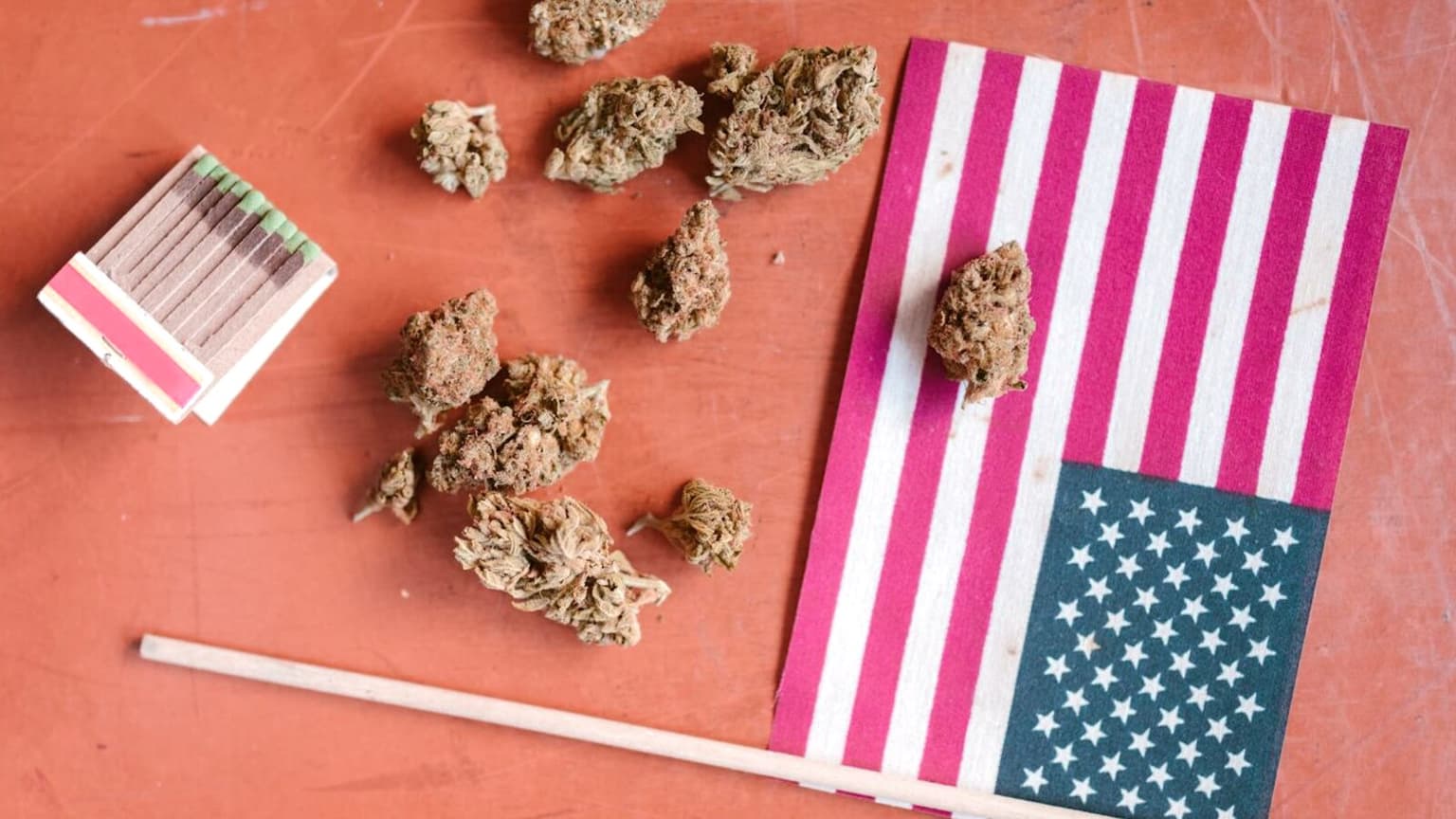
Here's the short version: cannabis seeds are federally legal to possess in all 50 states. The 2018 Farm Bill drew a line between hemp (under 0.3% THC) and marijuana — and dormant seeds, which contain essentially zero THC, fall well outside the Controlled Substances Act's definition of "marijuana" anyway. The CSA specifically excludes seeds and stalks. Cultivation is where state law takes over. Seeds are just seeds until you put them in dirt.
Aggregated grower reports across major US-shipping seed banks consistently show roughly 98% of domestic deliveries arriving without any customs issue. The small percentage that don't are almost exclusively international shipments flagged at US Customs hubs, and grower reports show those typically result in confiscation letters rather than criminal charges.
Where the Legal Risk Actually Lives
People mix up two separate questions: Can I buy seeds? and Can I grow them? The answers are different.
Seed purchase and possession — legal everywhere, under federal law. Growing them — that's your state's call. Twenty-three states (plus DC) have legalized recreational cultivation for adults. Another handful allow medical patients to grow at home. The remaining states prohibit cultivation entirely, but their laws apply to the plant, not the seed sitting in an envelope.
Three states deserve a separate mention:
- Idaho — the most aggressive enforcement environment in the country. Possessing seeds alongside grow equipment can be charged as "intent to cultivate." Don't pair your seed order with a lighting rig purchase.
- Nebraska — similar "intent" exposure; same practical advice.
- South Dakota — a recreational measure passed by voters was overturned; enforcement posture remains strict.
Everywhere else, you're looking at a situation where the seeds ship fine, arrive fine, and sit in your drawer legally. The question is just whether you can legally put them in the ground.
⚠️ One Caveat Worth Knowing
"Possession is legal" doesn't mean pairing seeds with obvious cultivation intent is risk-free in strict states. Buying seeds alongside grow tents, nutrients, and lighting in Idaho or Nebraska has led to "intent to cultivate" charges in documented cases. Keep purchases separate if you're in a prohibition state with aggressive enforcement history.
The Full 50-State Picture
The table below covers seed purchase legality (can you receive seeds?) and home cultivation legality (can you germinate and grow?). "Gray" means seed possession is treated as legal under federal law, but cultivation is prohibited — seeds are essentially collectibles.
| State | Seeds Shippable? | Home Grow Legal? | Plant Limit | Notes |
|---|---|---|---|---|
| Alabama | Gray | ❌ No | 0 | Medical program; no home cultivation |
| Alaska | ✅ Yes | ✅ Yes (21+) | 6 (3 flowering) | Recreational + medical; private property only |
| Arizona | ✅ Yes | ✅ Yes (21+) | 6 if 25+ mi from dispensary | Medical patients can grow anywhere; rec has distance rule |
| Arkansas | Gray | ❌ No | 0 | Medical only; no home grow |
| California | ✅ Yes | ✅ Yes (21+) | 6 plants | Rec + medical; local ordinances may restrict |
| Colorado | ✅ Yes | ✅ Yes (21+) | 6 (3 flowering) | 12/household max; medical patients can exceed with approval |
| Connecticut | ✅ Yes | ✅ Yes (21+) | 6 (3 flowering) | 12/household; must be secured indoors |
| Delaware | ✅ Yes | ✅ Yes (21+) | 6 plants | Rec home grow signed April 2024 |
| Florida | Gray | ❌ No | 0 | Medical program; seeds ship fine, can't grow |
| Georgia | Gray | ❌ No | 0 | CBD-only medical; no THC cultivation |
| Hawaii | ✅ Yes | ✅ Medical only | 10 (medical) | Medical patients only; rec decriminalized but no home grow |
| Idaho | ⚠️ Risky | ❌ No | 0 | Strictest state; intent charges possible with grow equipment |
| Illinois | ✅ Yes | ✅ Medical only | 5 (medical) | Medical cardholders only; rec users cannot grow |
| Indiana | Gray | ❌ No | 0 | CBD-only medical |
| Iowa | Gray | ❌ No | 0 | CBD-only medical program |
| Kansas | Gray | ❌ No | 0 | No cannabis program at all |
| Kentucky | Gray | ❌ No | 0 | Medical program launched; no home cultivation provision |
| Louisiana | Gray | ❌ No | 0 | Medical program; no home grow |
| Maine | ✅ Yes | ✅ Yes (21+) | 6 (3 flowering) | 12/household max; secure/private required |
| Maryland | ✅ Yes | ✅ Yes (21+) | 2 plants | Low limit; medical patients can apply for more |
| Massachusetts | ✅ Yes | ✅ Yes (21+) | 6 (12/household) | Must be locked/indoors |
| Michigan | ✅ Yes | ✅ Yes (21+) | 12 plants | Most generous plant limit in the country |
| Minnesota | ✅ Yes | ✅ Yes (21+) | 8 (4 flowering) | Rec program active as of Aug 2023; private property required |
| Mississippi | Gray | ❌ No | 0 | Medical program; no home cultivation |
| Missouri | ✅ Yes | ✅ Yes (21+) | 6 (3 flowering) | 12/household max; rec + medical |
| Montana | ✅ Yes | ✅ Yes (21+) | 4 (2 flowering) | 8/household max; must be secured |
| Nebraska | ⚠️ Risky | ❌ No | 0 | No program; avoid pairing seeds with grow gear |
| Nevada | ✅ Yes | ✅ Yes (21+) | 6 if 25+ mi from dispensary | Medical patients can grow regardless of distance |
| New Hampshire | ✅ Yes | ✅ Medical only | 3 (medical) | Medical cardholders only; no rec program yet |
| New Jersey | ✅ Yes | ❌ Not yet | 0 | Rec legal; home grow still not permitted as of 2026 |
| New Mexico | ✅ Yes | ✅ Yes (21+) | 6 (3 flowering) | 12/household max; rec + medical |
| New York | ✅ Yes | ✅ Yes (21+) | 6 (3 flowering) | 12/household; must be out of public view |
| North Carolina | Gray | ❌ No | 0 | CBD-only medical; no THC program |
| North Dakota | Gray | ❌ No | 0 | Medical program; no home grow |
| Ohio | ✅ Yes | ✅ Yes (21+) | 6 (12/household) | Rec home grow active as of Dec 2023; must be locked |
| Oklahoma | ✅ Yes | ✅ Medical only | 6 (medical) | Licensed medical patients only |
| Oregon | ✅ Yes | ✅ Yes (21+) | 4 plants | Rec + medical; local ordinances vary |
| Pennsylvania | Gray | ❌ No | 0 | Medical program; no home cultivation |
| Rhode Island | ✅ Yes | ✅ Yes (21+) | 6 (3 flowering) | 12/household max; rec + medical |
| South Carolina | Gray | ❌ No | 0 | CBD-only; no THC cultivation |
| South Dakota | ⚠️ Risky | ❌ No | 0 | Voter initiative overturned; strict enforcement posture |
| Tennessee | Gray | ❌ No | 0 | CBD-only; no THC program |
| Texas | Gray | ❌ No | 0 | CBD-only medical; seeds ship fine daily |
| Utah | Gray | ❌ No | 0 | Medical program; no home grow provision |
| Vermont | ✅ Yes | ✅ Yes (21+) | 6 (2 flowering) | Rec + medical; private property required |
| Virginia | ✅ Yes | ✅ Yes (21+) | 4 plants | Must be labeled; out of public view |
| Washington | ✅ Yes | ✅ Medical only | 6 (medical) | Rec users cannot grow; medical patients only |
| West Virginia | Gray | ❌ No | 0 | Medical program; no home grow |
| Wisconsin | Gray | ❌ No | 0 | CBD-only; no THC program |
| Wyoming | Gray | ❌ No | 0 | CBD-only; no THC program |
Quick read: "Gray" states account for 27 of 50. Seeds ship to all of them. The only three with documented enforcement exposure are Idaho, Nebraska, and South Dakota.
Which Banks Actually Ship to Your Door
Not every vendor covers all 50 states in practice, even when it's technically legal. Here's what their 2026 shipping terms show, cross-checked against aggregated public buyer reports.
| Seed Bank | Ships All 50 States? | Origin | Typical Delivery | Stealth Option? |
|---|---|---|---|---|
| North Atlantic Seed Co. | ✅ Yes | Maine, USA | 3–5 days | ✅ Plain mailer, vacuum-sealed |
| ILGM | ✅ Yes | California, USA | 5–10 days | ✅ Discreet packaging standard |
| Seed Supreme | ✅ Yes | USA warehouse | 7–10 days | ✅ Vacuum-sealed, plain box |
| Seedsman | ✅ Yes | UK | 10–21 days | ✅ CD case or toy packaging |
| Herbies Seeds | ✅ Yes | Spain | 10–25 days | ✅ Birthday card or toy packaging |
| Crop King Seeds | ✅ Yes | Canada | 7–14 days | ✅ Plain packaging standard |
| Fast Buds | ⚠️ Via resellers only | Spain (direct); US resellers | Varies | Depends on reseller |
| Royal Queen Seeds | ⚠️ EU only direct | Netherlands | N/A direct | Order through NASC or Seedsman |
| Barney's Farm | ⚠️ EU only direct | Netherlands | N/A direct | Order through US reseller |
The two fastest options for US buyers are North Atlantic Seed Co. and ILGM — both ship domestically, meaning your package never crosses a border and customs is a non-issue. NASC's Maine warehouse routinely lands orders in 3–5 business days across the East Coast; ILGM runs 5–10 from California.
If you want genetics from breeders like Barney's Farm, Dutch Passion, or Royal Queen Seeds, NASC and Seedsman carry most of their catalogues. No need to order direct from Amsterdam and wait three weeks.
Shipping Carriers and Why Most Banks Default to USPS
Most US-bound seed-bank orders move via USPS — federal law requires a warrant to open sealed USPS domestic mail (Fourth Amendment protection). FedEx and UPS are private companies — no warrant required, and they can and do open suspicious packages. International couriers handle the remaining cross-border traffic.
USPS domestic mail doesn't go through X-ray screening unless there's external cause for suspicion: damage, odor, leaking seams. For a vacuum-sealed, plain-labeled package from a seed bank, there's nothing to trigger inspection.
International shipments are the exception. Every package entering from abroad clears US Customs — typically Chicago ISC, LA ISC, or New York ISC depending on origin. Industry estimates put the customs interception rate around 1–2% for stealth-packaged shipments, climbing several percentage points when seeds ship in original breeder packs with colorful, branded labels. The label is what catches the inspector's eye.
⚠️ If Your International Order Gets Seized
You'll receive a CBP confiscation notice in the mail. Do not respond to it. There's no criminal exposure — seed possession is legal. Don't open a package that customs has already opened and resealed. Contact your seed bank, most will reship (check their guarantee terms), and next time order from a US-based bank to skip customs entirely.
Payment: What Works in 2026
The cannabis-banking gap is real, but it's navigated around pretty easily at this point.
Credit card is the cleanest option where accepted. ILGM and North Atlantic Seed Co. both process cards. Use a credit union or a cannabis-tolerant issuer (Discover, Capital One) if you've had declines elsewhere.
Bitcoin and crypto work at most international banks — Seedsman, Herbies, Seed Supreme, and NASC all accept it. You'll typically get a 10–20% discount for paying in crypto, which can be meaningful on larger orders. The tradeoff is the learning curve if you've never set up a wallet.
Cash or money order is the most private method — nothing on your bank statement — but slow. Banks hold cash payments 7–10 days for processing, and there's no recourse if an envelope gets lost. If you go this route, tape bills to cardboard, add delivery confirmation, and insure for at least $50.
Do not use: PayPal, Venmo, or Cash App. All three explicitly ban cannabis transactions. Account freezes happen, and the platforms have no obligation to return frozen funds quickly.
Six Mistakes Worth Skipping
These come up repeatedly in aggregated buyer-published order reports and in common support queries across the seed-bank ecosystem.
Ordering international when a US reseller has the same genetics. If you want Barney's Farm or Fast Buds strains, NASC carries them. You'll wait 3–5 days instead of 3 weeks and skip customs entirely. Check US resellers first.
Using a fake name. USPS flags name-to-address mismatches. Your real name at your real address looks like any other online purchase — which is exactly what it is.
Skipping stealth packaging on international orders. Saving $5–$10 on the stealth option isn't worth the four-times-higher seizure risk. Always check that box.
Ordering regular seeds when you want guaranteed females. Regular seeds run roughly 50/50 male-to-female. Males need to be culled before they pollinate your crop. Unless you're breeding, order feminized seeds.
Buying 10+ strains for a first grow. Grower-forum threads consistently document how this plays out: it doesn't go well. Different strains have different environmental sweet spots, different feeding profiles, different finish times. Start with 3–5 seeds of one strain. Learn what your space does before you diversify the gene pool.
Ordering in extreme temperature windows. A January polar vortex or an August heat dome sitting over a USPS distribution center can stress seeds in transit. Not a dealbreaker, but spring and fall ordering minimizes the exposure.
Key takeaways
- 90%+ germination is consistently achievable — bad seeds are rarely the actual cause
- The three things that matter most: distilled water, 75–80°F (24–27°C), total darkness
- Paper towel and Rapid Rooter are the most reliable methods reported by experienced growers
- Plant taproot DOWN at exactly 1 cm depth — every time
- If it hasn't sprouted in 7 days, scarify or H₂O₂ soak before giving up
Matching Your Goal to the Right Bank
Need it fast, zero customs risk: North Atlantic Seed Co. (3–5 days from Maine) or ILGM (5–10 days from California). Both accept credit cards, both offer 100% germination guarantees, both ship to all 50 states.
Want the widest strain selection: Seedsman runs 3,000+ strains from over 100 breeders. Herbies specializes in rare and limited genetics from boutique breeders. Budget 10–25 days and use stealth packaging.
Growing outdoors this season: Look at photoperiod feminized strains built for your climate zone — Sour Diesel, Super Silver Haze, and White Widow are workhorses for open-air gardens. Outdoor strain catalog here.
First grow, indoors, limited space: Autoflower seeds finish in 8–10 weeks from seed, stay compact (2–3 ft typically), and don't need a light schedule change to trigger flowering. Gorilla Glue Auto and Zkittlez Auto are forgiving for beginners.
Medical/CBD-focused: CBD seed options like Harlequin (roughly 5% THC / 10% CBD) and Cannatonic (6% THC / 12% CBD) ship legally everywhere and can be grown where medical programs permit.
FAQ
Is it actually legal to buy cannabis seeds online in all 50 states?
Yes. Seeds contain essentially zero THC and are explicitly excluded from the Controlled Substances Act's definition of marijuana, which covers flowering tops, leaves, and resin — not seeds or stalks. The 2018 Farm Bill reinforced the federal legal framework for hemp-derived products. You can legally purchase and possess seeds in all 50 states. Whether you can grow them depends entirely on your state's cultivation laws.
What actually happens if customs intercepts my seed order?
You receive a CBP confiscation notice. That's it — no criminal charge, no follow-up from law enforcement. Seed seizures rarely escalate into criminal cases because seed possession itself isn't a federal crime. Don't respond to the letter, don't call customs. Contact your seed bank — most offer a free reship guarantee for seized orders. Then switch to a US-based bank to avoid customs on future orders.
Do I need a medical card to buy seeds?
No. Seed purchase has no medical card requirement anywhere in the US. Cards only come into play if your state restricts home cultivation to medical patients (Hawaii, Illinois, Washington state, for example) — in that case you'd need a card to legally grow, but not to buy or possess seeds.
Which is faster — NASC or ILGM?
North Atlantic Seed Co. typically runs 3–5 days (they ship from Maine); ILGM runs 5–10 days from a California warehouse. If you're on the East Coast, NASC is usually faster. West Coast buyers often see comparable times from ILGM. Both ship to all 50 states with no customs exposure and offer 100% germination guarantees.
What's the difference between feminized, regular, and autoflower seeds?
Feminized seeds produce female plants 99%+ of the time — no males to identify and remove before flowering. Regular seeds are 50/50 male-to-female; useful for breeding, more work for production grows. Autoflowers flower based on age (typically 8–10 weeks from seed) rather than light cycle changes, making them ideal for beginners and small spaces. First-time growers almost always do better starting with feminized or autoflower seeds.
Can I get a seed bank to ship to a state where cannabis is fully illegal?
Yes. Every bank in our marketplace ships to all 50 states, including prohibition states. Aggregated buyer reports across major US-shipping seed banks consistently document near-100% delivery success to states like Texas, Florida, and Georgia. The seeds arrive legally. Growing them is the part that's illegal in those states — not receiving the package.
How do I know if a seed bank is legitimate?
Look for: a clear germination guarantee (80% minimum, ideally 90–100%), verifiable customer reviews in volume (500+, recent), credit card or crypto payment options, and responsive customer support. Red flags include wire-transfer-only payment, no germination policy, vague contact info, and claims that strain no cannabis plant can actually support ("30% THC guaranteed," "pound per plant yields"). Every vendor in our marketplace is cross-referenced against publicly reported buyer delivery outcomes.
Should I use stealth packaging for domestic orders?
For domestic US orders, stealth packaging is a personal privacy preference rather than a legal necessity. USPS doesn't inspect sealed domestic packages without probable cause (warrant required). International orders are a different story — aggregated buyer reports show stealth packaging dropping the customs seizure rate from roughly 4% to under 1%. Always use it for anything crossing a border.
Last updated April 2026. Cannabis laws shift — verify your state's current statutes before germinating. This is educational information, not legal advice. If you're in a state with an aggressive enforcement posture (Idaho, Nebraska, South Dakota), a quick consult with a local cannabis attorney is worth the hour.

Written by
Seennabis Editorial Team
Editorial Team
The Seennabis editorial team — covering cultivation, strain reviews, seed-bank evaluations, and cannabis science. Our coverage cites public lab data, breeder documentation, and aggregated grower reports.
More from Seennabis →