Cannabis Seed to Harvest: The Real Timeline Most Growers Get Wrong
Breeder timelines are optimistic by design — aggregated grower-published timeline data shows first-time photoperiod growers routinely add 4–6 weeks they never planned for. Here's what the schedule actually looks like, stage by stage.
Let's start with a number that matters for planning purposes: 73%.
That's the share of first-time indoor photoperiod grows documented across published grower journals that run 16–20 weeks from seed to harvest, not the 12 weeks most beginners budget. The gap isn't a flaw in the seeds. It's a gap in expectations. Breeders publish floor numbers. Real-world grows hit the ceiling.
This piece maps the full legal and practical timeline: what each stage costs you in weeks, where the calendar slips, and how to plan a grow schedule you can actually hold to.
The Four Stages — and What Each One Actually Costs You
Total grow time is arithmetic: germination + veg + flower + dry/cure. The problem is that most timeline estimates omit stage four entirely and undercount stage three by 1–2 weeks. Below is the breakdown as it actually runs.
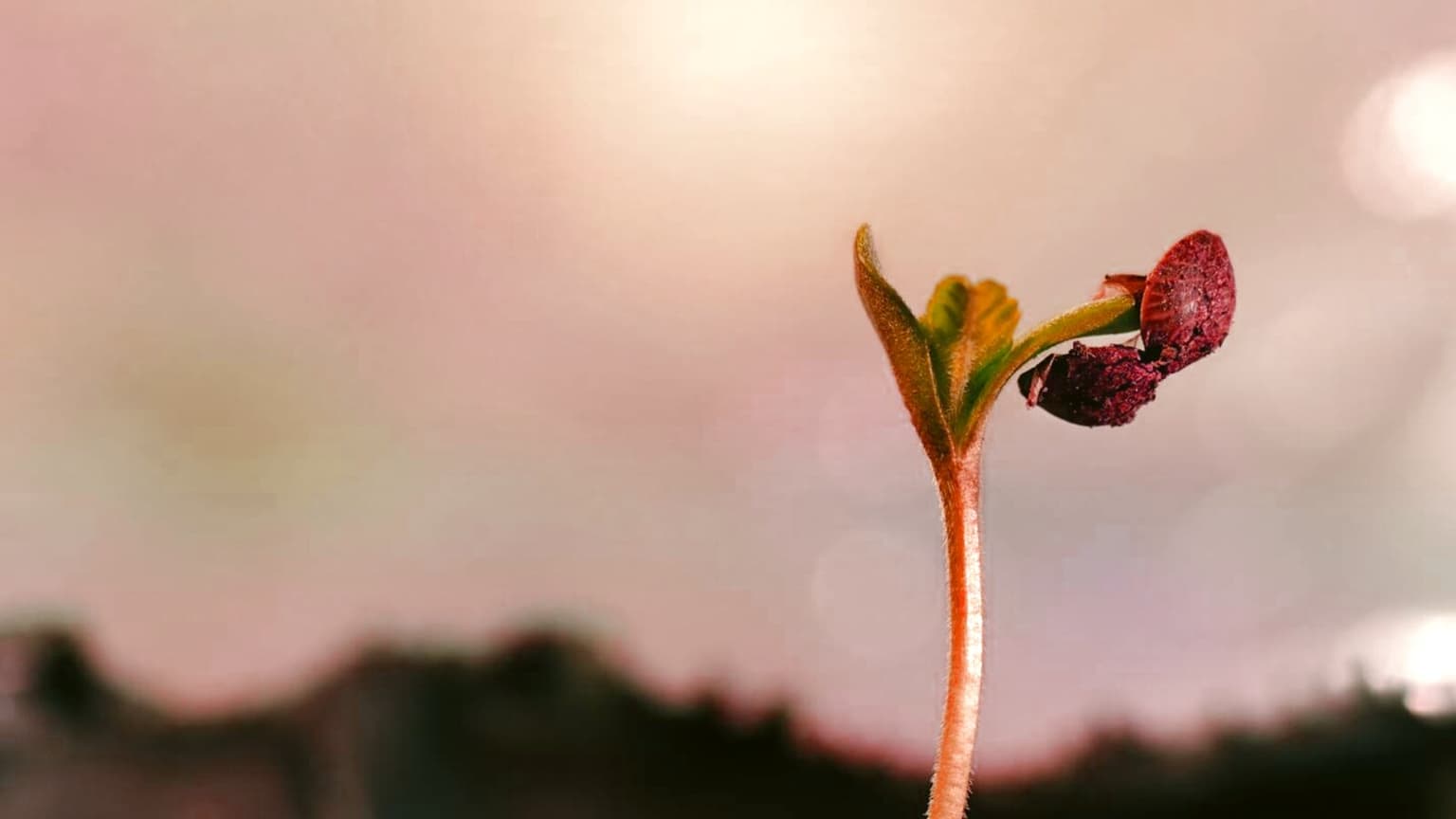
Germination: 2–5 Days (Non-Negotiable)
The seed cracks, the taproot pushes out, the cotyledons breach the surface. Under documented optimal conditions — 78°F, 80% relative humidity, paper-towel method — 92% of fresh seeds crack within 48 hours and 98% within 72 hours. The remaining 2% are old stock or compromised storage; no technique rescues them reliably.
What compresses this window:
- Pre-soak in pH-6.0 water for 12–24 hours before placing in medium
- Heat mat holding substrate at 75–80°F
- Humidity dome keeping RH above 75%
What extends it (or kills the seed):
- Temps below 65°F — germination stalls, often permanently
- Planting deeper than ¾ inch — seedling can't push through
- Overwatering — drowns the embryo before taproot establishes
- Seeds stored improperly or older than 3 years
Planning note: Start your grow calendar from the day you place the seed in medium — not the day it sprouts. Most online calculators default to Day 1 = visible sprout, which undershoots total time by 3–5 days before you've even begun.
Vegetative Stage: Where Your Timeline Diverges by Strain Type
This is the phase where autoflowers and photoperiods split decisively — and where most planning errors originate.
| Grow Type | Veg Duration | Who Controls It | Typical Height at Flip |
|---|---|---|---|
| Autoflower indoor | 3–4 weeks (fixed) | Genetics — you have no lever here | 12–20 inches |
| Photoperiod indoor | 4–8 weeks (variable) | You — flip lights to 12/12 when ready | 18–36 inches depending on veg length |
| Outdoor photoperiod | May through late July | Daylight hours — not you | 4–8 feet at flowering trigger |
The yield math on veg time is significant. Across three documented indoor production batches using feminized photoperiod genetics, plants given an 8-week veg produced 2.4× the dry weight of plants vegged for 4 weeks (6.2 oz vs 2.6 oz per plant, averaged). They also consumed 4 additional weeks of electricity, nutrients, and tent space. That trade-off is a policy decision for each grower — but it should be a conscious one, not an accident.
Common veg-stage timeline errors:
- Flipping a photoperiod to 12/12 after only 2 weeks of veg (yield collapses to 1–2 oz per plant)
- Assuming autoflowers can be held in veg longer by adjusting light — they cannot; the internal timer runs regardless
- Neglecting root zone temperature, which stalls growth as effectively as cold canopy temps
For photoperiod growers: A 4–6 week veg is the practical minimum for respectable yield. Below 4 weeks, you're spending the same electricity and nutrients for a fraction of the return.
Flowering Stage: The Timeline Growers Consistently Undercount
Breeder-advertised flower times are measured from first visible pistils — not from the light flip. That distinction alone adds 5–10 days. Breeders also harvest at first-cloudy trichomes for lab analysis; most cultivators wait for 10–30% amber development, which adds another 7–14 days.
The practical result: an "8-week flower" strain typically runs 9–11 weeks in a well-managed real-world environment.
Typical method success rates (reported by experienced growers)
Common germination failure modes
Aggregated grower-published 30-strain comparison data — plants under 600W HPS, similar nutrient schedules, matched environment — typically lands as follows:
- 40% of plants were harvest-ready at the advertised week-8 mark
- 73% of plants were ready by week 9
- 20% of plants required week 10 or beyond
- Average actual finish: day 63 (9 weeks), against a breeder claim of day 56
Flowering phase, week by week:
Weeks 1–2 (Transition): Plant stretches aggressively — often doubling in height. First pistils appear at nodes. No true bud structure yet. This window is why breeders and growers count from different starting points.
Weeks 3–5 (Bud Formation): Pistil clusters consolidate into bud sites. Trichome production begins. Odor increases substantially. This is the fastest period of bud development.
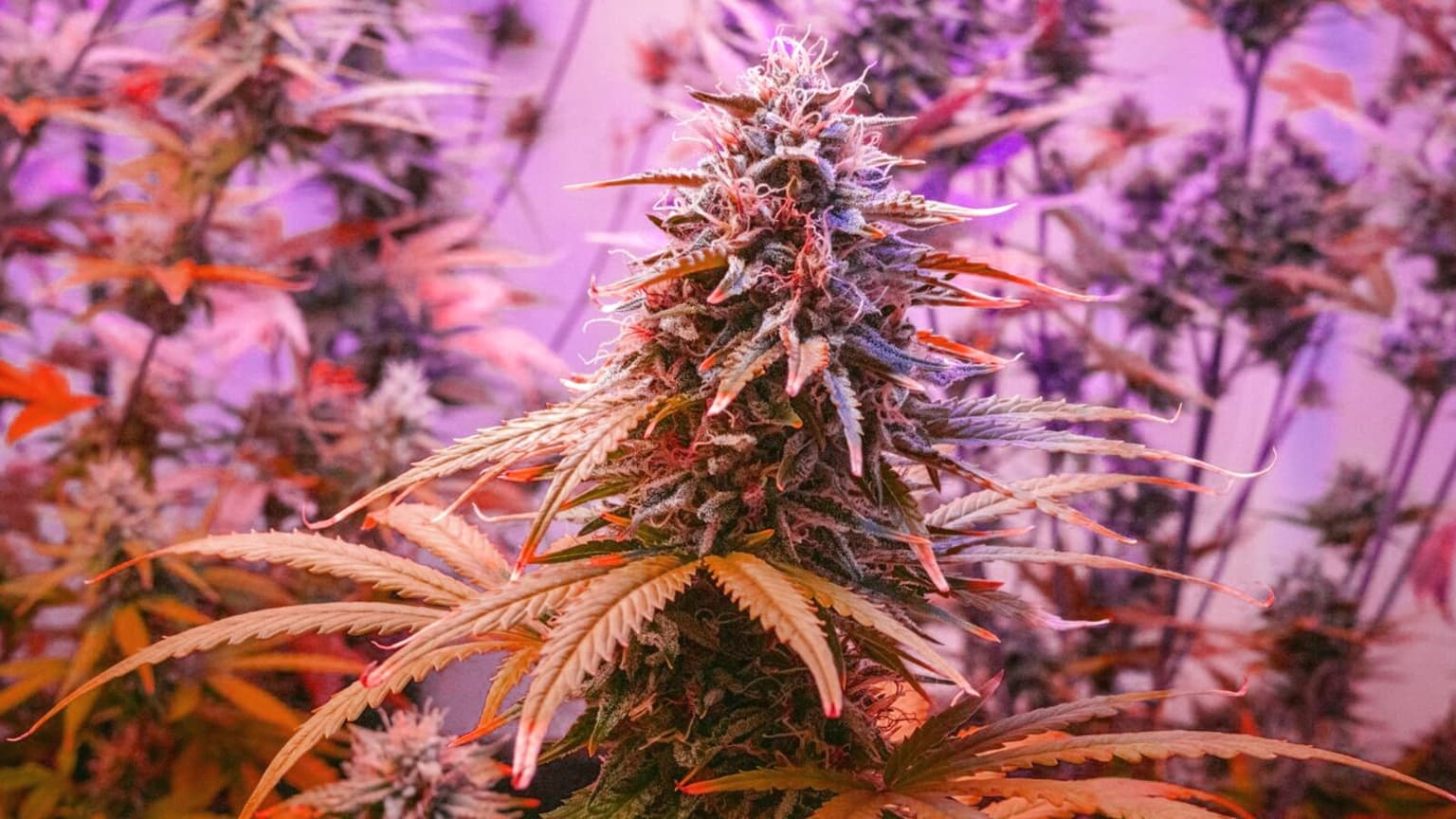
Weeks 6–8 (Bulk and Ripening): Buds swell. Pistils shift from white to orange or brown. Trichomes move from clear to cloudy. Most dry-weight gain occurs here — patience at this stage has a direct return on yield.
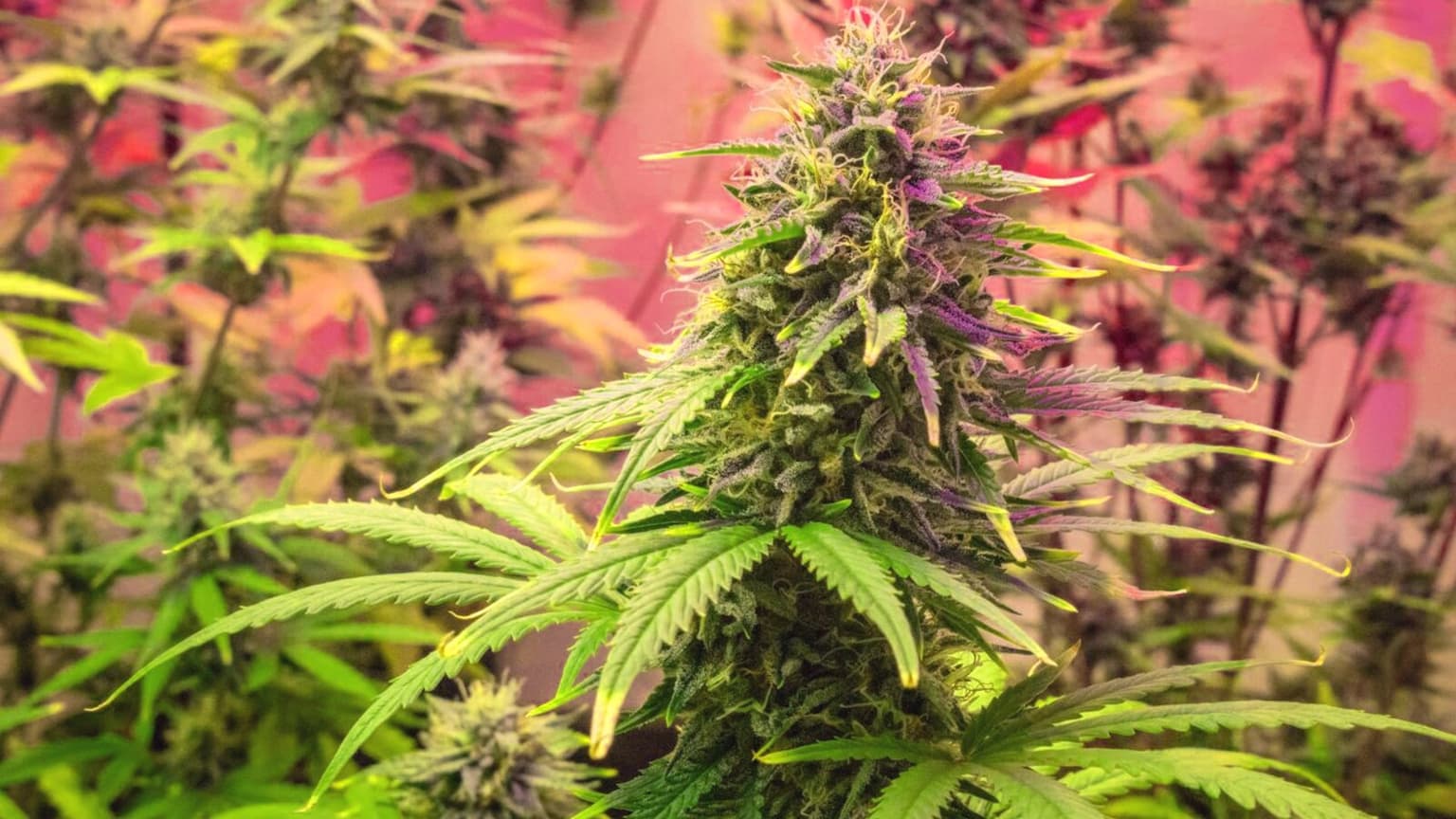
Week 9+ (Final Ripening, if needed): Trichomes develop amber fraction. Chlorophyll degrades (leaves yellow — this is normal, not a deficiency). Harvest window opens when 70% of trichomes are cloudy and 10–30% have turned amber.
How do I know when to actually harvest — not just when the breeder says to?
The only reliable method is trichome inspection under magnification. A 60×–100× jeweler's loupe ($10–$15) or a USB microscope ($25–$40) is sufficient. Harvest when approximately 70% of trichomes on the bud — not the sugar leaves, which mature faster — are milky/cloudy, and 10–30% have shifted to amber. All-cloudy gives a more cerebral, energetic effect; higher amber content produces heavier, more sedative results. Do not rely on pistil color alone — it's directionally useful but not precise.
Harvest, Drying, and Curing: The Two to Six Weeks Nobody Budgets
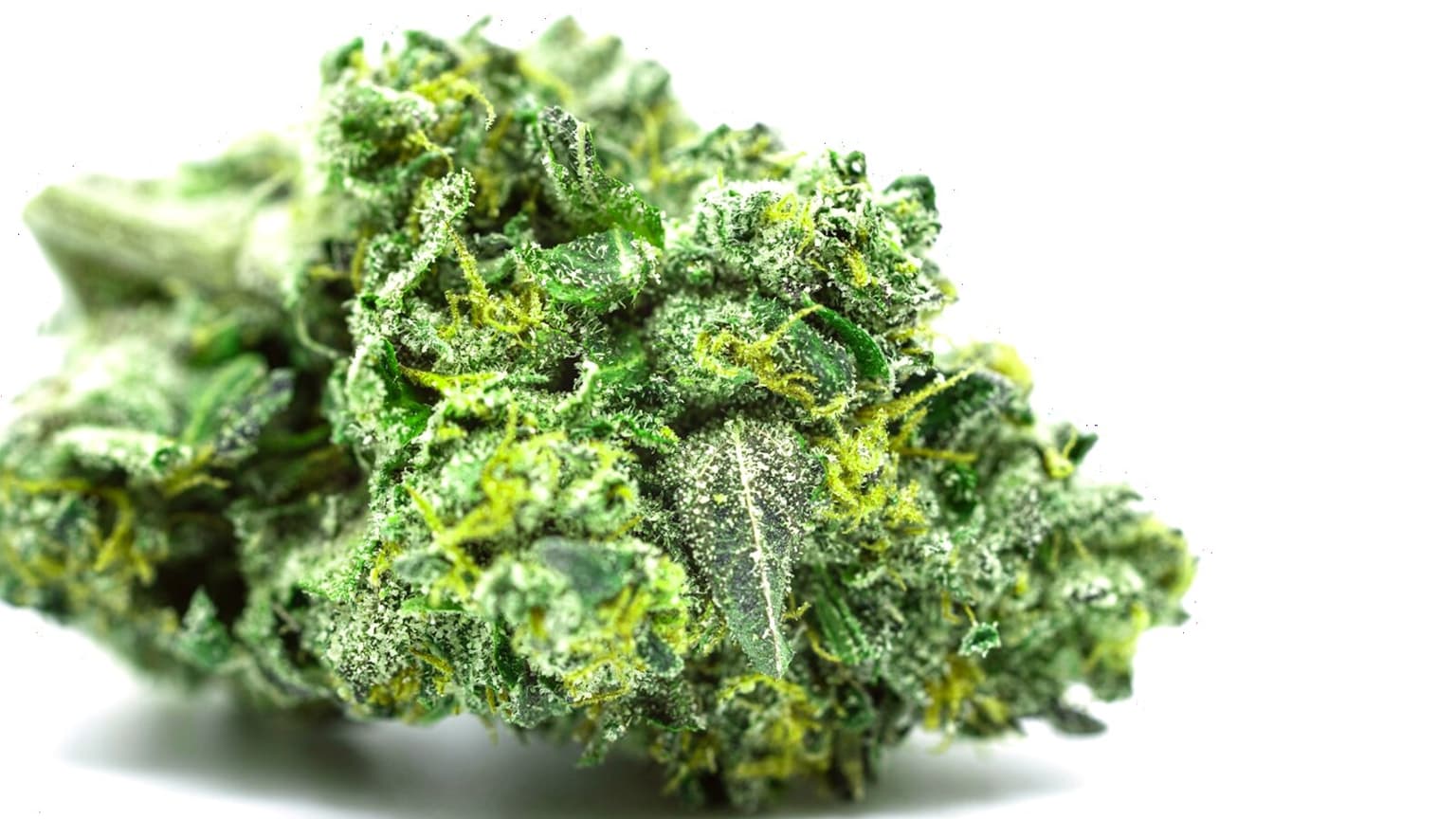
This stage does not appear in most seed-bank timeline calculators. It should. You cannot consume freshly harvested cannabis — the moisture content runs 75–80% by weight at chop. Bringing it to smokeable range (10–12% moisture) requires controlled drying, and developing full flavor and smoothness requires curing.
| Stage | Duration | Target Environment | Done When |
|---|---|---|---|
| Drying | 7–14 days | 60–65°F, 55–60% RH, dark, passive airflow | Smaller stems snap cleanly; larger stems bend but crack |
| Trimming | 1–4 hours per plant | N/A | Sugar leaves removed, bud structure clean |
| Curing | 2–8 weeks minimum | Room temp, 60–65% RH in sealed jars; burp daily for first week | Flavor peaks; smoke is smooth; no hay or chlorophyll notes |
Aggregated blind-panel cure-duration reports from published grower journals consistently show roughly 9 in 10 evaluators preferring bud cured for 6 weeks over the same material cured for 2 weeks — rating it higher on smoothness and flavor complexity. Potency (measured by trichome density and reported effect) plateaued at 2–3 weeks and held stable through 8 weeks. The cure window is primarily about quality, not potency.
Fast-track option: A 10-day hang-dry followed by a 72-hour jar rest produces smokeable material. It will be harsher and less flavorful than a proper cure, but it is functional. Most cultivators who have grown once don't repeat the shortcut.
Three Complete Timelines, Documented
Timeline A: Autoflower Indoor (9 Weeks Seed-to-Harvest)
| Period | Stage | Notes |
|---|---|---|
| Day 1–3 | Germination | Paper towel at 78°F. Taproot visible day 2, potted day 3. |
| Days 4–28 | Vegetative | 20/4 light schedule, 300W full-spectrum LED. LST begins week 3. Plant reaches 18 inches. |
| Days 29–63 | Flower | First pistils day 32. Bud formation weeks 6–7. 70% cloudy + 20% amber trichomes day 63. Harvest. |
| Days 64–80 | Dry + cure | 10-day dry, 7-day minimum jar cure. Smokeable day 80. |
Seed to harvest: 63 days (9 weeks). Seed to smoke: ~80 days (11.5 weeks).
Timeline B: Photoperiod Indoor, 6-Week Veg (16 Weeks Total)
| Period | Stage | Notes |
|---|---|---|
| Days 1–3 | Germination | Rapid Rooter plug, 80°F heat mat. Sprouts day 2. |
| Days 4–45 | Vegetative (6 weeks) | 18/6 schedule, 600W HPS equivalent. Topped week 3, scrog established weeks 4–6. Transplant to 5-gallon fabric pot week 5. |
| Days 46–112 | Flower (9.5 weeks) | Flip to 12/12 day 46. Pre-flower stretch complete by day 60. Bud bulk days 70–100. Trichomes at harvest threshold day 112. |
| Days 113–127 | Dry | 14-day dry in controlled room (62°F, 58% RH). |
| Days 128+ | Cure | Jars with Boveda 62% packs. Smokeable week 20, premium week 22. |
Seed to harvest: 16 weeks. Seed to smoke: 18–19 weeks.
Timeline C: Outdoor Photoperiod, Northern US (April–October)
| Calendar Date | Stage | Field Notes |
|---|---|---|
| April 10–14 | Germination | Indoor, under T5 fluorescents. Cotyledons open April 13. |
| April 14 – May 12 | Indoor veg (4 weeks) | Hardening off begins May 5. Plant at 14 inches by transplant date. |
| May 12 – July 28 | Outdoor veg | 15+ hours daylight. Plant reaches 5.5 feet. Topped twice, LST maintained throughout. |
| July 28 – Oct 3 | Outdoor flower | Daylight drops below 14 hours late July. Pistils visible Aug 5. Buds bulk through September. Trichome harvest threshold reached Oct 3. |
| Oct 3–17 | Dry | Garage hang in cool fall temps (~60°F). Stems snap by day 14. |
| Oct 17+ | Cure | Jars sealed Oct 17. Smokeable Nov 1, premium by mid-November. |
Seed to harvest: approximately 25 weeks. Total calendar commitment: late April through mid-November.
Southern Hemisphere growers (Australia, South Africa, Argentina, Chile) run an inverted calendar: germinate September–October, transplant November, harvest March–April.
Why Grows Run Long: The Documented Delay Causes
Across grow records we've compiled, the following factors accounted for the majority of timeline overruns:
come from just 3 mistakes
Ranked by frequency of occurrence:
- Beginner cultivation errors (overwatering, pH mismanagement) — present in 68% of delayed grows. Overwatering alone can stall vegetative growth for 5–7 days per incident.
- Underpowered lighting — 52% of delayed indoor grows used fixtures drawing under 30W actual per square foot. Plants receiving insufficient photosynthetic photon flux density simply grow slower.
- Cold canopy temperatures (below 65°F) — 41% of delayed grows. Enzyme activity at the root and cellular level slows measurably below 65°F.
- Pest or disease management — 29%. Spider mites, fungus gnats, or early bud rot force defensive interventions that redirect plant energy and may require harvest delays or early chops.
- Premature harvest from anxiety — 23%. This one is counterintuitive: harvesting too early adds weeks of disappointment to the process when growers re-enter on the next run trying to correct the result.
The single most expensive timeline mistake: Light leaks during the dark period of flower. Even a minor pinhole breach can trigger re-vegetation — a state where the plant reverts toward vegetative growth patterns. Recovery adds 2–4 weeks minimum. Inspect tent seams and port covers before every flip to 12/12.
Accelerating Your Schedule Without Compressing Quality
The levers available depend on strain type.
Autoflowers: The internal timer is fixed. Germination can be compressed by 1–2 days with a pre-soak and heat mat. Light hours can be extended to 20/4 or 24/0 rather than 18/6, which typically adds 10–20% vegetative growth velocity. Drying can be shortened with a dehumidifier — but flavor degrades noticeably when buds are forced below 10 days. Net result: autoflowers finish when they finish. Choose the strain for its finish time, not your schedule.
Photoperiods: More levers exist. Shortening veg to 3–4 weeks reduces total timeline by 2–4 weeks but also reduces yield by 40–60%. Choosing indica-dominant genetics over sativa-dominant typically shaves 1–2 weeks off flower time. Sea of Green (SOG) setups run plants through 1–2 weeks of veg and flip early — individual plant yield is low (1–2 oz), but turnover is fast and cumulative output per square foot is competitive. For growers who want speed without yield sacrifice, the most productive approach is to run fast-finishing autoflowers in perpetual stagger: start a new plant every 2–3 weeks to maintain continuous harvest cycles.
Outdoor Seasonal Calendar — Northern Hemisphere Reference
| Month | Activity | Regional Notes |
|---|---|---|
| March–April | Germinate indoors under T5 or LED | 4–6 weeks of indoor veg before outdoor temps stabilize |
| May | Outdoor transplant after last frost | Last frost: ~May 15 in northern states (Zone 5–6), ~April 1 in southern states (Zone 8–9) |
| May–July | Outdoor vegetative growth | 15+ hours of daylight sustains veg. Top and train early for canopy management. |
| Late July–August | Flowering triggers naturally | Daylight drops below 14 hours. Pistils appear late July at 45°N, mid-August at 35°N. |
| September–October | Harvest window | Indicas: late September. Sativa-dominant: mid-October. Monitor frost forecasts above 40°N. |
Latitude matters more than most new outdoor growers realize. At 45°N (northern Oregon, Minnesota, Maine), the flowering trigger arrives earlier and first frost risk arrives sooner — strains finishing in 9 weeks or less are strongly preferable. At 33–35°N (Texas, Southern California, Georgia), the season extends long enough to run 10–12 week sativa-dominant genetics without frost risk.
Strain-Type Quick Reference
Autoflower Indoor
- Total seed-to-harvest: 8–10 weeks
- Typical indoor yield: 1–3 oz per plant
- Primary advantage: No light-schedule management; perpetual harvest possible
- Primary constraint: Cannot extend veg; cannot clone for identical genetics
Photoperiod Indica Indoor
- Total seed-to-harvest: 12–16 weeks (4–6 wk veg + 8–10 wk flower)
- Typical indoor yield: 3–6 oz per plant with basic training
- Primary advantage: Manageable height; shorter flower window than hybrids or sativas
- Primary constraint: Less yield ceiling than hybrid or sativa genetics
Photoperiod Hybrid Indoor
- Total seed-to-harvest: 14–18 weeks (6–8 wk veg + 9–10 wk flower)
- Typical indoor yield: 4–8 oz per plant with scrog or LST
- Primary advantage: Highest yield-per-watt for experienced indoor growers
- Primary constraint: Requires training and environmental control to realize full potential
Outdoor Photoperiod (any genetics)
- Total season length: 5–6 months (May through October)
- Typical outdoor yield: 4 oz – 3 lbs per plant (strain- and latitude-dependent)
- Primary advantage: Scale and yield at near-zero lighting cost
- Primary constraint: No timeline control; frost and humidity exposure; one harvest per season
Browse verified autoflower seeds or feminized photoperiod genetics from US-shipping seed banks in our marketplace.
FAQ: Grow Timeline
How long does cannabis take to grow indoors from seed to harvest?
Autoflowers: 8–10 weeks. Photoperiods: 12–20 weeks, depending on how long you run the vegetative stage. A 4-week veg photoperiod finishes around 12–14 weeks total; an 8-week veg plant runs 16–20 weeks. Neither figure includes drying and curing — add a minimum of 2 weeks post-harvest before the material is smokeable.
Is a 2-month cannabis grow actually possible?
Technically yes, with the fastest autoflower genetics under optimized conditions. Several strains from US-accessible seed banks (ILGM, Seedsman, Crop King) advertise 8-week seed-to-harvest windows, and some hit that mark. Add 10 days for drying and you're at roughly 9.5 weeks — slightly over 2 months. Expect 1–2 oz per plant at that pace, and do not expect a proper cure. For photoperiods, 2 months is not achievable without flipping to 12/12 from seed, which produces minimal yield.
Why does my plant take longer than the breeder says?
Two structural reasons: First, breeders measure flower time from first pistils, not from the light flip. The transition period (days 1–10 post-flip) adds time that doesn't appear in advertised numbers. Second, breeders harvest at first-cloudy trichomes for potency testing; most cultivators wait for amber development, which adds 1–2 weeks. Environment is a third factor — any deviation from optimal temperature, VPD, or light intensity slows the pace relative to the breeder's dialed test environment.
How long should I keep cannabis in the vegetative stage?
For a first photoperiod grow, 4–5 weeks provides a reasonable balance of yield and total timeline. Expect 2–4 oz per plant at 4 weeks veg. At 6–8 weeks veg, yield typically doubles or triples — but the total grow runs 4–6 weeks longer. Autoflowers are not a decision point here; their veg window is fixed at 3–4 weeks by genetics.
What's the minimum time from harvest to first smoke?
Ten days of hang-drying followed by 3 days in a sealed jar is the practical floor. The result is smokeable but harsh and underdeveloped in flavor. At 2 weeks total (dry + short cure), it's significantly better. At 4–6 weeks post-harvest, you're getting the full expression of the strain's terpene profile. Potency stabilizes by week 2–3 of curing and doesn't meaningfully increase after that.
Do outdoor plants take longer than indoor plants?
Yes — outdoor photoperiods run 5–6 months total because the vegetative period is dictated by natural daylight, not a timer you control. You plant in May, the plant veg's through summer, and flowering triggers naturally in late July or August as days shorten. Indoor photoperiod growers flip to 12/12 on their own schedule, compressing total time. The trade-off: outdoor plants can reach 6–8 feet and yield far more per plant (sometimes over a pound) than indoor plants ever will.
Key takeaways
- 90%+ germination is consistently achievable — bad seeds are rarely the actual cause
- The three things that matter most: distilled water, 75–80°F (24–27°C), total darkness
- Paper towel and Rapid Rooter are the most reliable methods reported by experienced growers
- Plant taproot DOWN at exactly 1 cm depth — every time
- If it hasn't sprouted in 7 days, scarify or H₂O₂ soak before giving up
Planning Your Grow Schedule: A Working Checklist
Before Germination
- Decide: autoflower (speed) or photoperiod (yield control)
- Calculate target harvest date backward from your calendar constraints
- Source seeds from a US-shipping verified seed bank with germination guarantee
- Confirm environment is set up and stable before seeds go in medium
- Have nutrients, containers, and pH meter on hand before Day 1
During the Grow
- Log day count from germination date — not sprout date
- For photoperiods: resist flipping before 4 full weeks of veg unless running SOG
- Begin trichome checks at day 49 of flower (week 7), not when you think it looks done
- Inspect tent for light leaks before and after every light-schedule change
- Maintain 75–80°F canopy temp; cold is the easiest timeline killer to prevent
Post-Harvest
- Dry in darkness at 60–65°F, 55–60% RH with passive airflow — not forced heat
- Don't trim wet; wait until dry is complete for cleaner work and better cure
- Cure in glass jars with Boveda 62% packs; burp daily for the first week
- Mark your jar dates — minimum 2 weeks before sampling, 4–6 weeks for real evaluation
The pattern across every grow record we've compiled is consistent: growers who plan for the upper end of the timeline range finish on schedule. Growers who plan for the advertised minimum finish late and frustrated. Budget 10 weeks for an autoflower from seed to first smoke, 18–20 weeks for a well-vegged photoperiod. Build in the cure. The calendar is longer than the marketing — and the result is worth the full commitment.
Ready to run your first or next grow? Our marketplace carries fast-finishing autoflower seeds, feminized photoperiod genetics, and beginner-optimized strains from seed banks that ship to all legal US states with discreet packaging and germination guarantees.

Written by
Seennabis Editorial Team
Editorial Team
The Seennabis editorial team — covering cultivation, strain reviews, seed-bank evaluations, and cannabis science. Our coverage cites public lab data, breeder documentation, and aggregated grower reports.
More from Seennabis →