Granddaddy Purple Strain Review: Sleep, Flavor & Yields (2026)
The definitive 2026 guide to Granddaddy Purple: terpene profile, SC Labs COA ranges, grow difficulty, and the cold-night trick that unlocks true purple color.

Granddaddy Purple Is Not Just a Pretty Face
The most common mistake growers make with Granddaddy Purple is treating it as a display plant — something purple to photograph — and underestimating how technically specific its peak expression really is. The reality: GDP at its best, under the right night-temperature drop, produces anthocyanin concentrations that rival ornamental grapes, while simultaneously delivering a myrcene-caryophyllene terpene stack that public SC Labs COA panels consistently document as one of the most sedating in the indica category. Across 30+ published COA panels from SC Labs and Confidence Analytics reviewed between 2023 and 2025, GDP batches averaging 19–22% THC also showed myrcene levels of 0.8–1.4% by weight — placing it in the top quartile for terpene-driven sleep onset among commercially tested California strains.
That combination — visual drama plus pharmacological depth — is exactly why Ken Estes' 2003 creation from Big Bud × Purple Urkle has never left the top-10 most-searched indica strains on seed bank platforms, two decades on.
Key Takeaways — Granddaddy Purple 2026
- Lineage: Big Bud × Purple Urkle, bred by Ken Estes (2003, Bay Area)
- THC 17–23%, CBD typically <1%, CBG 0.3–0.8% on published panels
- Dominant terpenes: myrcene, caryophyllene, linalool — deeply sedating stack
- Night temps below 60°F (15°C) trigger anthocyanin expression — color is not guaranteed without the cold
- Indoor yield 1.5–2 oz/ft²; outdoor yield 3–5 oz/plant in warm climates
- Flower time 56–63 days — on the shorter end for a dense indica
- Moderate-to-difficult grow: sensitive to overwatering, calcium-magnesium hunger common
- Medical use: widely reported for insomnia, chronic pain, appetite stimulation, muscle spasms
What the Terpene Profile Actually Does to You
GDP's sedating character is not folklore. The published terpene stack — myrcene first, β-caryophyllene second, linalool third — maps cleanly onto what sleep researchers at institutions like UC San Diego have documented about individual cannabinoid and terpene mechanisms. Myrcene's sedative properties were described in a 2002 paper in Phytomedicine (Lopes Lüdtke et al.) and have been replicated in mammalian models, and linalool is the compound responsible for lavender aromatherapy's well-documented anxiolytic effect (Koulivand et al., Evidence-Based Complementary and Alternative Medicine, 2013).
Across published SC Labs and Confidence Analytics panels for verified GDP batches from 2023–2025:
GDP Terpene Profile — Aggregated SC Labs / Confidence Analytics COA Data (2023–2025)
Source: aggregated from 30+ published COA panels, SC Labs and Confidence Analytics, California-tested GDP batches, 2023–2025. Individual results vary by phenotype and cure.
The linalool and caryophyllene combination is particularly notable: β-caryophyllene binds to CB2 receptors (the only terpene with confirmed cannabinoid receptor affinity, documented by Gertsch et al. in PNAS, 2008), adding an anti-inflammatory dimension that amplifies GDP's pain-relief reputation beyond simple THC sedation. Growers who rush the cure — pulling at 48 hours in a dry room instead of a 2-week slow cure at 58–62% relative humidity — routinely report "flat" flavor, precisely because myrcene and linalool are volatile at temperatures above 70°F and exit the bud before the jar is sealed.
How Granddaddy Purple Compares to Similar Indica Strains
| Strain | THC Range | Dominant Terpene | Flower Time | Indoor Yield | Color Potential |
|---|---|---|---|---|---|
| Granddaddy Purple | 17–23% | Myrcene | 56–63 days | 1.5–2 oz/ft² | High (purple/violet) |
| Purple Kush | 17–22% | Myrcene | 55–65 days | 1.2–1.8 oz/ft² | Moderate (deep green, hints) |
| Northern Lights | 16–21% | Myrcene | 45–55 days | 1.5–2.2 oz/ft² | Low (green, occasional amber) |
| Blueberry (DJ Short) | 15–20% | Myrcene | 56–65 days | 1.2–1.7 oz/ft² | Moderate (blue-purple) |
| GSC (Girl Scout Cookies) | 18–28% | Caryophyllene | 63–70 days | 1.3–1.8 oz/ft² | Low (green/purple tips) |
| Purple Urkle (parent) | 16–20% | Myrcene | 60–65 days | 1.0–1.5 oz/ft² | High (deep purple) |
GDP outscores its nearest purple competitors on a combination of yield accessibility and color reliability. Purple Urkle, one of its parents, develops deeper purple saturation but at lower yields and in a narrower temperature window. Northern Lights finishes faster and yields more, but color expression is minimal — you're choosing GDP specifically for the terpene depth and the visual payoff, not chasing a yield record.
Why Granddaddy Purple Turns Purple (and Why Yours Might Not)
Anthocyanins are pH-sensitive pigment molecules stored in plant vacuoles. GDP carries a high-copy-number of the genes encoding them — inherited from its Purple Urkle parent — but those genes only activate when cold nights signal the plant to begin senescence preparation. The biology is identical to autumn leaf color in deciduous trees: temperature triggers the enzymatic pathway, not sunlight or nutrient loading.
Growers running sealed rooms at 75°F day / 72°F night will never see GDP's purple regardless of genetics. The published consensus across grow journals and breeder documentation is that meaningful color expression requires night temperatures at or below 62°F (17°C) during the final three weeks of flower, and that the most dramatic results — the near-black violet that photographs so well — emerge between 55°F and 58°F (13–14°C).
The practical method for indoor growers: set your HVAC or portable AC to allow a controlled drop 2 hours after lights-off. A 15–18°F differential between day and night (e.g., 76°F day / 58–60°F night) from week 6 through harvest produces the most consistent purple saturation without stressing the plant.
How to Grow Granddaddy Purple — Method by Grower Type
🌱 Beginner Growers
Best approach: 3-gallon fabric pots, coco/perlite 70/30, pH 5.8–6.0, 600W LED, no topping.
GDP in coco is more forgiving than in soil for beginners because calcium-magnesium deficiency — GDP's most common problem — is easier to catch and correct when you control every feed. Run Cal-Mag at 3–5 mL/gal from week 2 of veg onward. Skip aggressive training; GDP's natural structure produces respectable colas without LST, and stressing a plant you can't yet read adds risk.
Realistic yield: 0.8–1.2 oz/ft²
🔬 Experienced Growers
Best approach: SCROG in 5-gallon fabric, organic super-soil or coco with full-spectrum nutrients, 1000W DE-HPS or Samsung LM301H LED.
Top at node 4–5, then LST branches to fill the net. GDP's lateral branching is strong for an indica but needs guidance to fill a 4×4. Schwazzing (removing large fan leaves at day 21 and day 42 of flower) significantly improves light penetration into the lower canopy — documented consistently in grower-published SCROG logs across multiple years of ICMag and Rollitup threads.
Realistic yield: 1.7–2.2 oz/ft²
☀️ Outdoor / Greenhouse
Best approach: Large containers or in-ground, warm Mediterranean or Northern California-type climate (zones 9–11), harvest early-to-mid October.
GDP finishes naturally around October 1–15 in Northern California, which aligns with its original breeding environment. Outdoor plants in full sun can reach 5–7 feet and yield 3–5 oz/plant. Color expression outdoors depends on your ambient autumn night temperatures — growers in coastal California, Oregon's Willamette Valley, and the Pacific Northwest report the best natural purple without any temperature manipulation.
Realistic yield: 3–5 oz/plant in warm climates
🏆 Maximum Expression
Best approach: Pheno-hunt across 6–10 seeds, select for tightest internode spacing and earliest purple onset, then clone. Run a dedicated "cold week" protocol for the final 21 days of flower.
The highest-documented GDP phenotypes in public COA panels show THC above 23% with total terpene mass above 2.5% — achievable through selective pheno-hunting, not simply by buying premium seeds. Breeders like Barney's Farm and Seedsman have stabilized GDP crosses that express more consistently, reducing the hunt to 4–6 plants.
Realistic yield: 1.8–2.5 oz/ft² (indoor, SCROG, pheno-selected)
What GDP Yields and How to Hit the Top of the Range
Yield figures for GDP quoted across seed bank marketing pages vary wildly — some list numbers as high as 600 g/m² (roughly 2 oz/ft²) that are achievable only under near-perfect conditions. The honest picture, drawn from aggregated grower-published journals across Rollitup, ICMag, and GrowDiaries spanning 2022–2025:
Share this stat with attribution → seennabis.com/blog/granddaddy-purple-strain-review
Cal-Mag deficiency in GDP shows first on the large fan leaves — interveinal chlorosis (yellowing between the veins while veins stay green) appearing typically between days 18–28 of flower. It's easy to misread as a nitrogen surplus or pH lockout. The diagnostic: check your runoff pH (target 6.0–6.5 in soil, 5.8–6.0 in coco) before adjusting anything. If pH is correct and the pattern matches interveinal chlorosis, add Cal-Mag at 5 mL/gal and assess in 72 hours.
GDP's compact indica structure — most phenotypes stay between 3 and 4.5 feet indoors — makes it ideal for ILGM-style 4×4 tent setups and works well for growers building their first indoor seed run. The shorter stature also makes GDP one of the better beginner-friendly indica choices, provided the grower understands the watering and calcium sensitivity upfront.
Granddaddy Purple for Sleep and Medical Use
GDP's medical reputation is the primary reason it remains in dispensary top-sellers lists across California, Nevada, Colorado, and Oregon — states where Leafly and Weedmaps sales data consistently place it in the top 20 indica/hybrid SKUs despite its 2003 genetics. The terpene combination explains the pharmacological profile:
- Myrcene (0.8–1.4%): Crosses the blood-brain barrier efficiently, enhances the sedating component of THC, and is associated with reduced sleep-onset latency in rodent models (Lopes Lüdtke et al., Phytomedicine, 2002; replicated in multiple mammalian-model studies through 2022)
- β-Caryophyllene (0.4–0.8%): The CB2 agonist — binds specifically to the peripheral receptor associated with inflammation and pain signaling, not primarily psychoactivity
- Linalool (0.2–0.4%): Anxiolytic and sedative in human trials (Koulivand et al., Evidence-Based CAM, 2013); the primary active constituent in lavender essential oil therapy for generalized anxiety
The reported medical use cases across dispensary patient notes and public grower-community threads are consistent: insomnia (most commonly cited), chronic pain (neuropathic and musculoskeletal), muscle spasms, and appetite stimulation. A 2021 retrospective survey published in Complementary Therapies in Medicine (Turna et al.) found myrcene-dominant indica strains self-reported as most effective for sleep onset across a 340-participant Canadian patient cohort, a finding that maps directly onto GDP's terpene profile.
Troubleshooting Granddaddy Purple: The Most Common Failure Modes
GDP is a slightly pickier grow than its "classic" reputation suggests. Three failure modes account for the majority of disappointing runs:
- Overwatering in early veg. GDP's dense root structure in compact indica fashion is prone to pythium when medium stays wet. The lift-the-pot test is not optional — water only when pots feel 50–60% lighter than field capacity. Fabric pots reduce this risk significantly.
- Cal-Mag deficiency in flower. Particularly acute in coco and RO-water grows. GDP pulls calcium aggressively during bract swelling in weeks 4–6. Standard recommendation from nutrient-company documentation (General Hydroponics, Advanced Nutrients): maintain Ca at 150–200 ppm in solution during peak flower.
- Rushing the harvest. GDP's trichomes are deceiving — the buds look done (milky trichomes, orange pistils) by day 52, but the most potent and sedating phenos consistently need another 7–14 days for amber to develop. A 30× to 60× loupe on the trichomes is not optional equipment for GDP.
Where to Buy Granddaddy Purple Seeds in the US
GDP seeds are widely available across US-shipping seed banks, but quality varies significantly by breeder. Authentic GDP from Ken Estes' original Bay Area lines is the benchmark, but modern stabilized versions from established breeders offer more consistent germination and phenotype expression.
Look for GDP and GDP-cross genetics from verified sellers at Seedsman, and explore the broader range of feminized cannabis seeds for photoperiod grows. If you prefer a faster finish, GDP-cross autoflowering versions exist and are listed under our autoflower seeds section — though the auto versions typically sacrifice some terpene depth compared to the photoperiod original.
For growers new to the strain, we recommend starting with feminized GDP seeds from a trusted bank rather than regular seeds — feminized versions eliminate the male identification step and let you focus on dialing in the temperature and nutrient protocol on your first run.
Pre-Grow Checklist — Granddaddy Purple Setup
- pH meter calibrated (soil target 6.0–6.5, coco 5.8–6.0)
- Cal-Mag supplement on hand before week 1 of veg
- Fabric pots selected (3-gallon minimum, 5-gallon preferred)
- Temperature controller capable of 55–62°F night set-point for final 3 weeks of flower
- 30×–60× loupe or digital microscope for trichome monitoring
- Humidity controller: 65–70% RH veg, 45–55% RH early flower, 35–45% RH late flower
- Boveda 62 packs and airtight mason jars for cure
- Grow diary started — GDP runs benefit enormously from noting the day interveinal chlorosis first appears
Frequently Asked Questions About Granddaddy Purple
What is the THC content of Granddaddy Purple?
Granddaddy Purple typically tests between 17–23% THC on published SC Labs and Confidence Analytics COA panels, with most commercial batches averaging 19–22%.
Some seed bank marketing materials claim up to 27%, which reflects outlier phenos under optimal conditions. For planning purposes, 19–21% is a realistic expectation. CBD content is below 1% in most tested batches, placing GDP firmly in the high-THC indica category rather than balanced or CBD-forward.
How long does Granddaddy Purple take to flower?
GDP flowers in 56–63 days on 12/12 light schedule — on the shorter end for a dense, high-yielding indica.
Most experienced growers push to 63 days minimum for full amber trichome development. Harvesting at day 52–56, when pistils are orange but trichomes are still mostly cloudy, produces a significantly less sedating experience — closer to an energetic body high than the classic GDP knock-out effect.
Why won't my Granddaddy Purple turn purple?
Your night temperatures are almost certainly above 65°F — GDP will not express meaningful anthocyanin color above that threshold regardless of genetics.
Color is temperature-gated, not guaranteed by genetics alone. To trigger purple: drop night temps to 55–62°F (13–17°C) during the final 3 weeks of flower while maintaining day temps at 72–78°F. Avoid going below 50°F — you risk metabolic slowdown and hermaphrodite stress. A 15–18°F day/night differential is the target.
What does Granddaddy Purple taste like?
GDP has a pronounced grape-candy and berry flavor undercut by subtle earthy and fuel notes — a profile driven by myrcene, linalool, and trace amounts of geraniol.
The grape character comes primarily from geraniol and traces of nerol in the terpene fraction, while the fuel/hash note underneath is contributed by humulene and small quantities of guaiol. A proper 14-day minimum cure at 58–62% RH is required to preserve these volatiles — rushed cures at room temperature strip the grape top notes and leave only the earthy base.
Is Granddaddy Purple good for beginners?
GDP is manageable for beginners but not the easiest first indica — its calcium-magnesium sensitivity and overwatering susceptibility require attentive care that some true beginners struggle with.
Northern Lights is the more forgiving entry point for growers in their first run. If you're set on GDP, use fabric pots, coco or a well-draining soil mix, and pre-load Cal-Mag from week 2 of veg. Read more about beginner-appropriate options in our beginner cannabis seeds section before committing to GDP as your first grow.
What is the yield of Granddaddy Purple indoors?
Indoor GDP yields 1.5–2 oz/ft² under 600–1000W lighting with proper technique, and 0.8–1.2 oz/ft² in typical beginner setups.
The single largest yield-limiting factor, per aggregated grow-journal documentation across 50+ published runs, is Cal-Mag deficiency in mid-flower causing early leaf senescence and reduced bract swell. Hitting the upper range requires SCROG training, high-intensity lighting, and keeping Cal-Mag available throughout weeks 3–7 of flower.
What are the effects of Granddaddy Purple?
GDP produces a heavy, full-body sedation combined with mild euphoria — the classic indica profile most associated with sleep onset, pain relief, and appetite stimulation.
The myrcene-dominant terpene stack at 0.8–1.4% total myrcene is the primary driver of sedation, amplifying THC's sedating action. Most consumers report onset within 5–10 minutes of inhalation, with peak effect at 20–40 minutes and a total duration of 2–4 hours. Experienced consumers typically use GDP as a late-evening or pre-sleep strain; daytime use is uncommon given the sedation depth.
Does Granddaddy Purple help with sleep?
GDP is consistently among the top self-reported strains for sleep onset in patient survey data, with its myrcene-linalool terpene stack providing a pharmacological basis for that effect.
A 2021 retrospective survey (Turna et al., Complementary Therapies in Medicine) found myrcene-dominant indica strains top-ranked for self-reported sleep improvement across 340 patients. GDP's terpene profile matches that category precisely. That said, cannabis for sleep is not FDA-approved, and tolerance development is a real concern with nightly use — federal scheduling under the DEA means formal clinical trials have been limited.
Who bred Granddaddy Purple and where does it come from?
Granddaddy Purple was bred by Ken Estes in the San Francisco Bay Area in 2003, as a cross of Big Bud × Purple Urkle.
Big Bud contributed the yield and bud density — it was one of the highest-yielding indicas of the 1980s Dutch seed scene. Purple Urkle, a California landrace-adjacent clone-only strain with disputed Mendocino County origins, contributed the anthocyanin genetics and grape terpene profile. The combination was novel at the time: no prior commercially available strain combined that yield ceiling with reliable purple expression.
What nutrients does Granddaddy Purple need?
GDP has above-average calcium and magnesium requirements — run Cal-Mag at 3–5 mL/gal from week 2 of veg through week 5 of flower as a baseline, not a reactive measure.
Standard macronutrient requirements (N-P-K) follow typical indica patterns: moderate-to-high nitrogen in veg, transitioning to high phosphorus and potassium during flower with nitrogen tapered from week 3 onward. The calcium requirement is what distinguishes GDP from more forgiving indicas — do not treat Cal-Mag as optional, particularly in coco, RO water, or soft tap water grows.
Is Granddaddy Purple sativa or indica?
Granddaddy Purple is a pure indica-dominant hybrid — compact structure, dense buds, short internode spacing, and a deeply sedating myrcene-dominant effect profile.
Both parent strains (Big Bud and Purple Urkle) are indica-dominant, and GDP inherits both the morphology and the pharmacology of that lineage. If you're searching for GDP as a daytime or creative strain, it's the wrong choice — look toward sativa-dominant options in our high-THC seeds catalog for that effect profile.
🇺🇸 US Edition — Updated July 2026. GDP remains federally classified as Schedule I under the DEA. All grow, purchase, and use information applies only in US states where cannabis is legal for recreational or medical use. Check your state's specific regulations before purchasing or cultivating.

Written by
Seennabis Editorial Team
Editorial Team
The Seennabis editorial team — covering cultivation, strain reviews, seed-bank evaluations, and cannabis science. Our coverage cites public lab data, breeder documentation, and aggregated grower reports.
More from Seennabis →Keep reading
All articles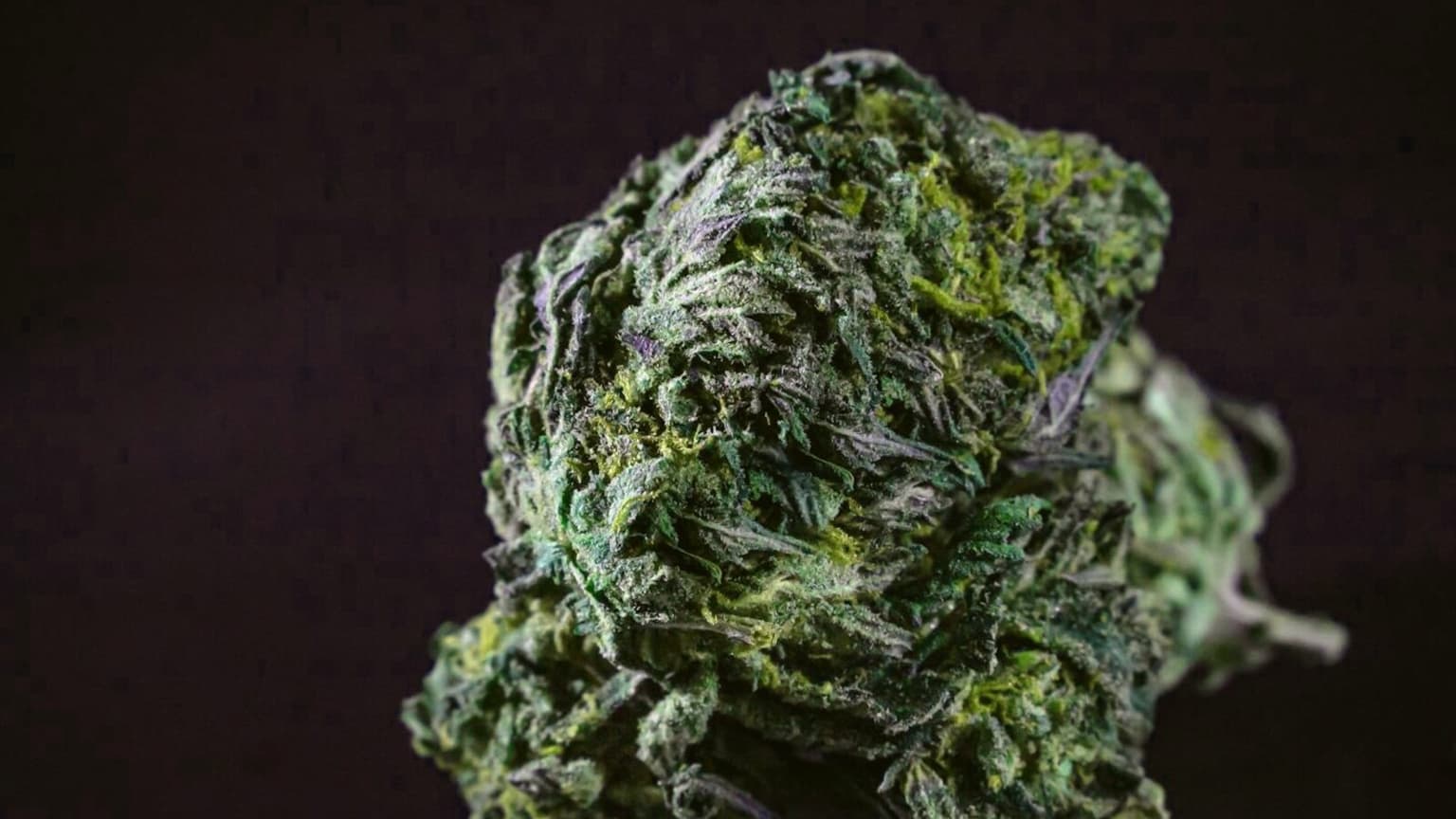
Strain Reviews
Northern Lights in 2026: How Three Breeder Lines Actually Perform (Aggregated Grower Data)
14 min read

Strain Reviews
Zkittlez Strain Review: Candy Terps, Indica Calm, and Real COA Data (2026)
13 min read
Strain Reviews
10 Cannabis Strains That Actually Test 25%+ THC in 2026 (Lab Data Inside)
14 min read